





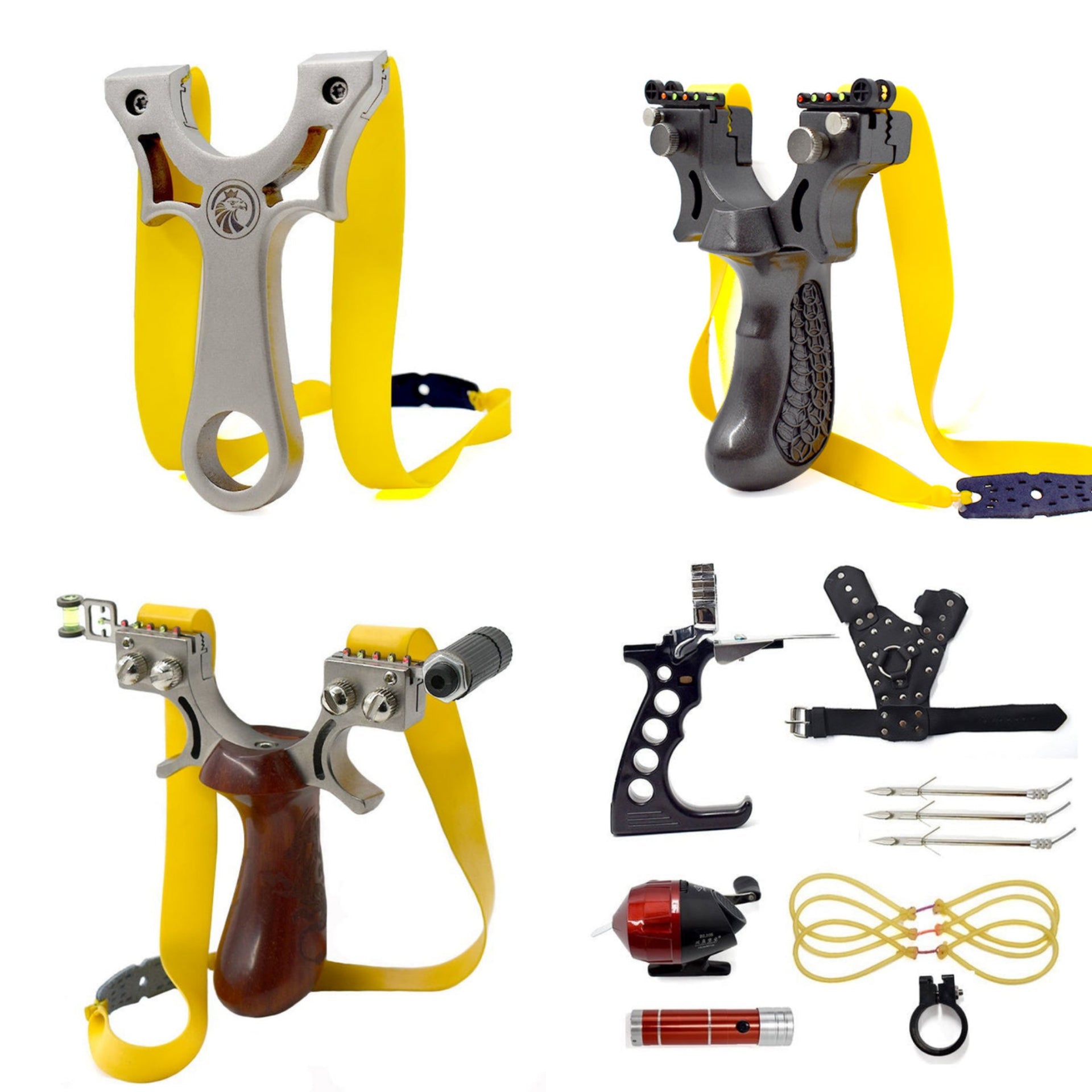
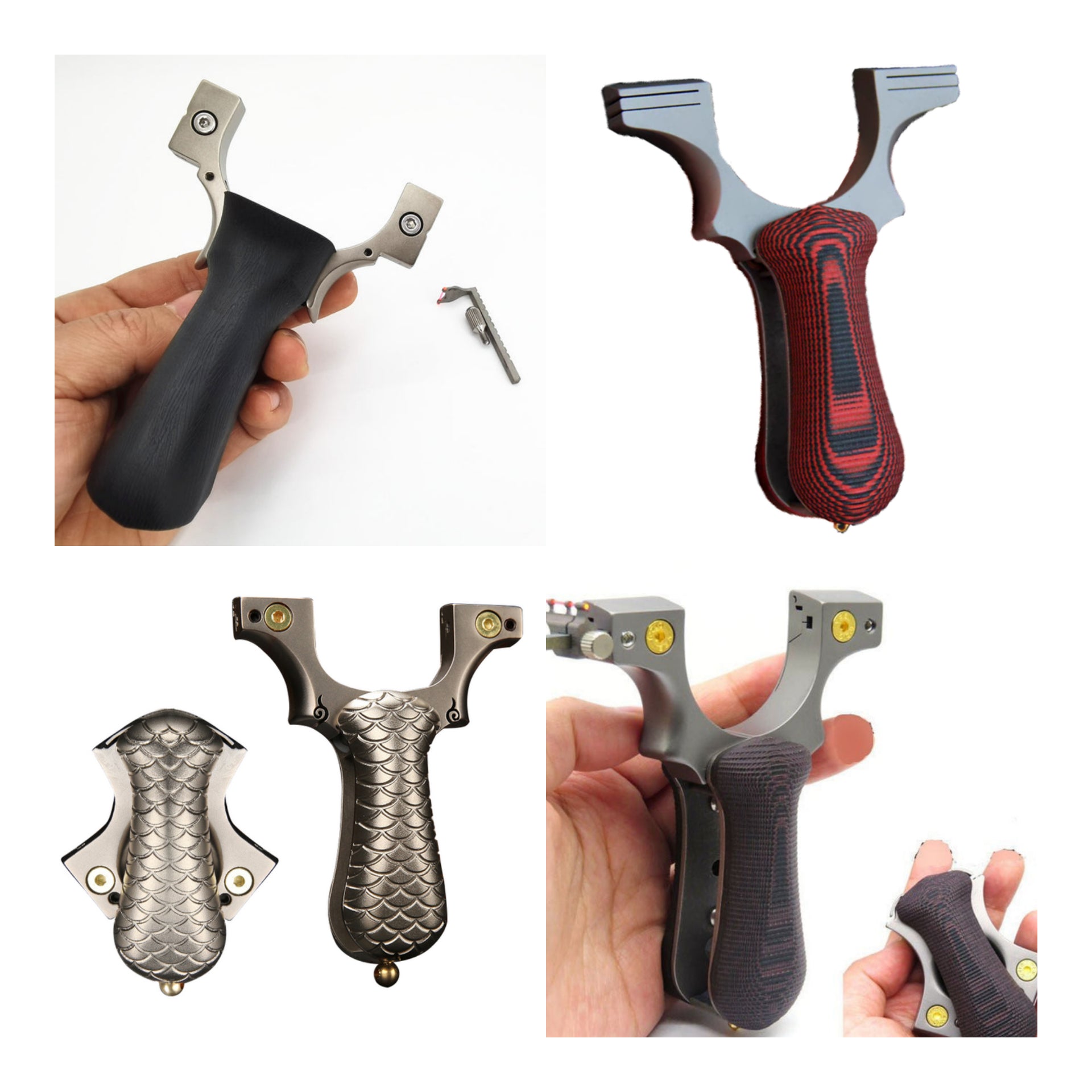
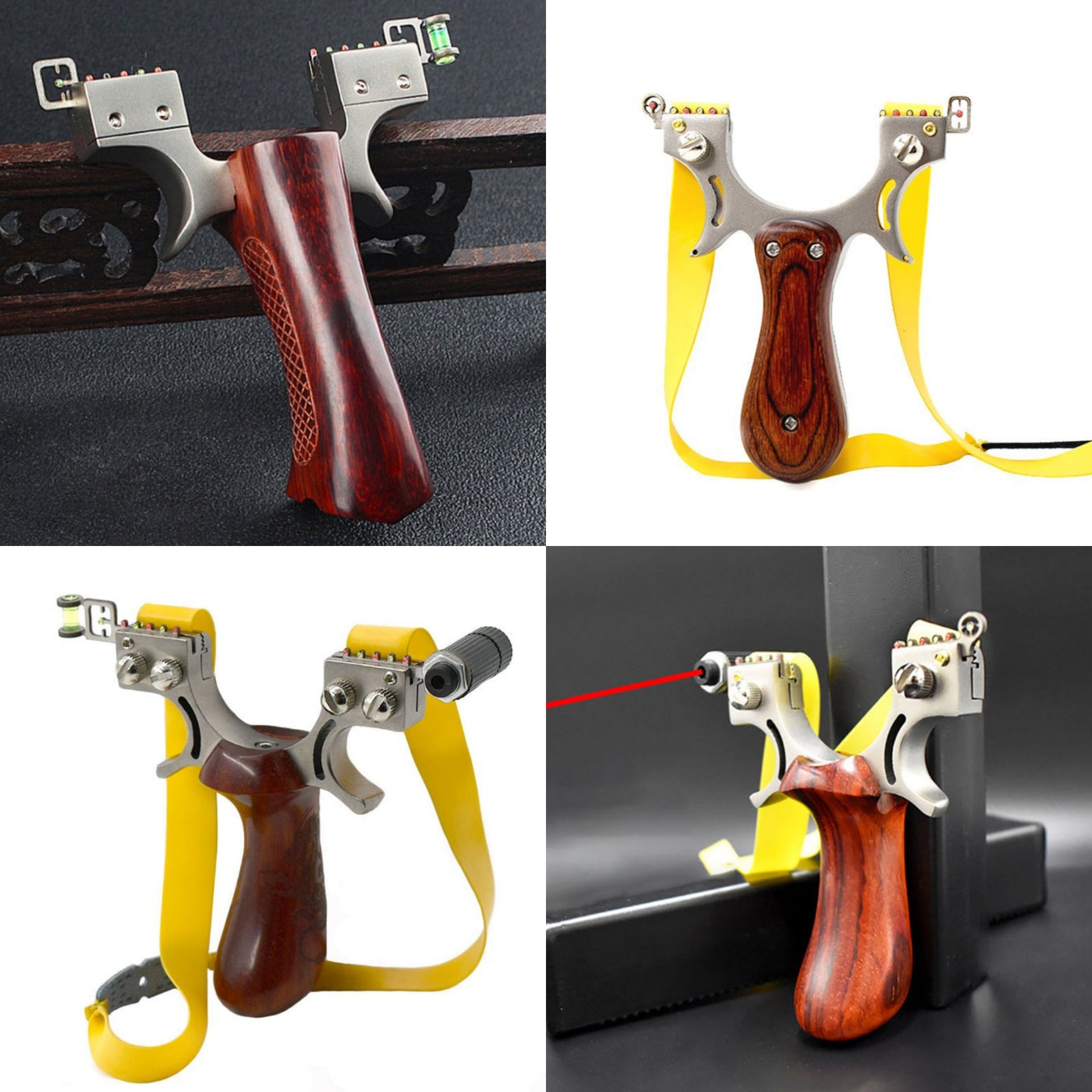
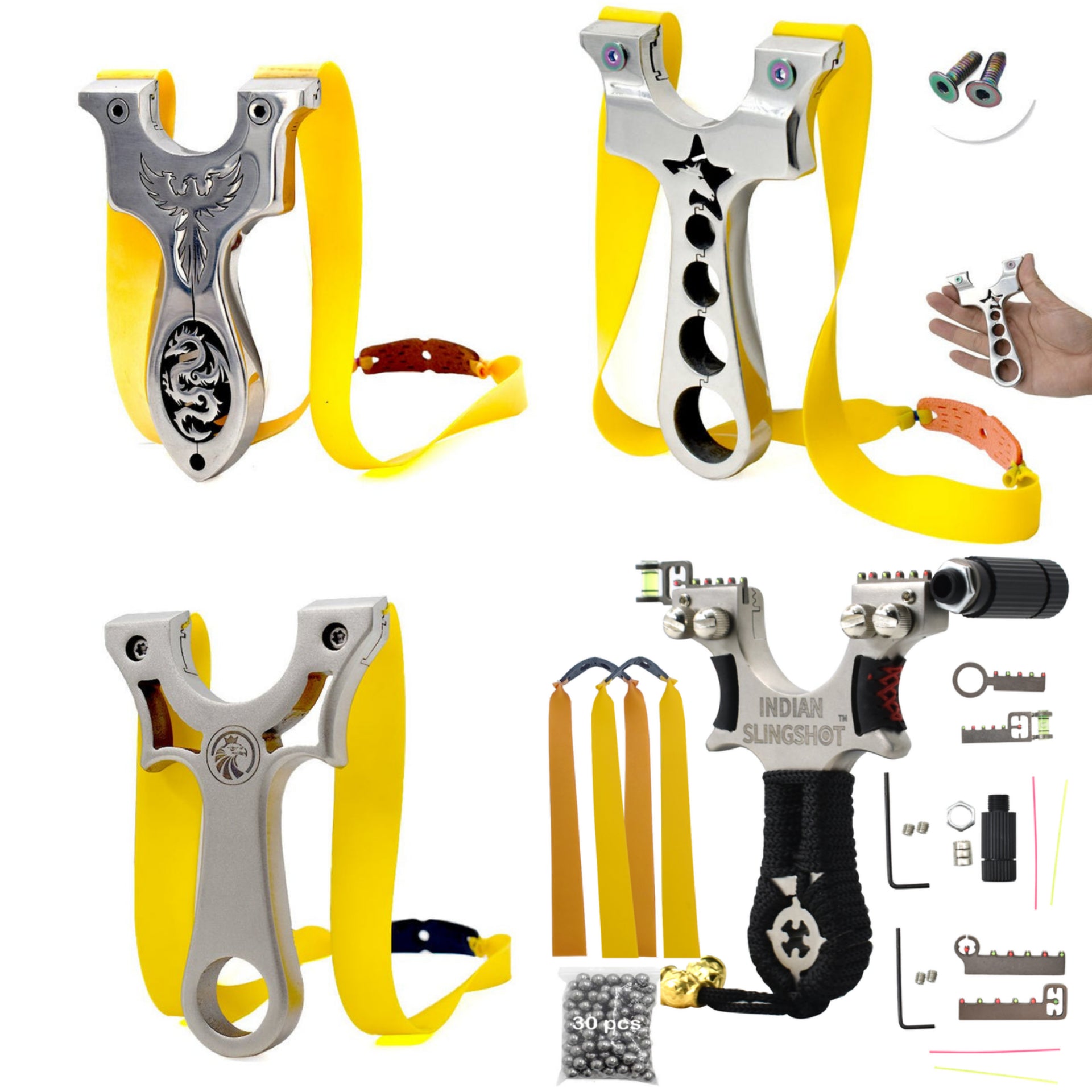


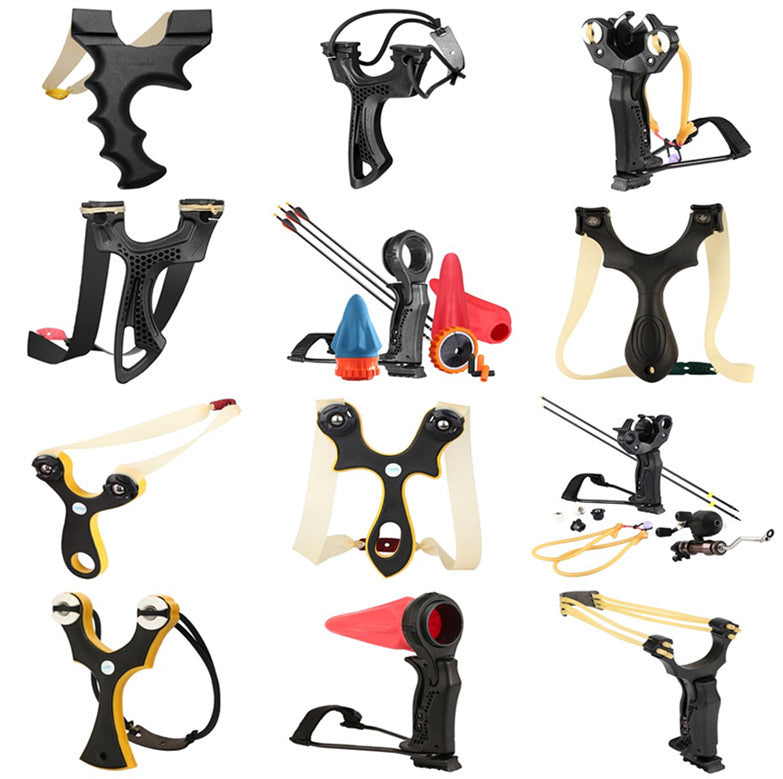

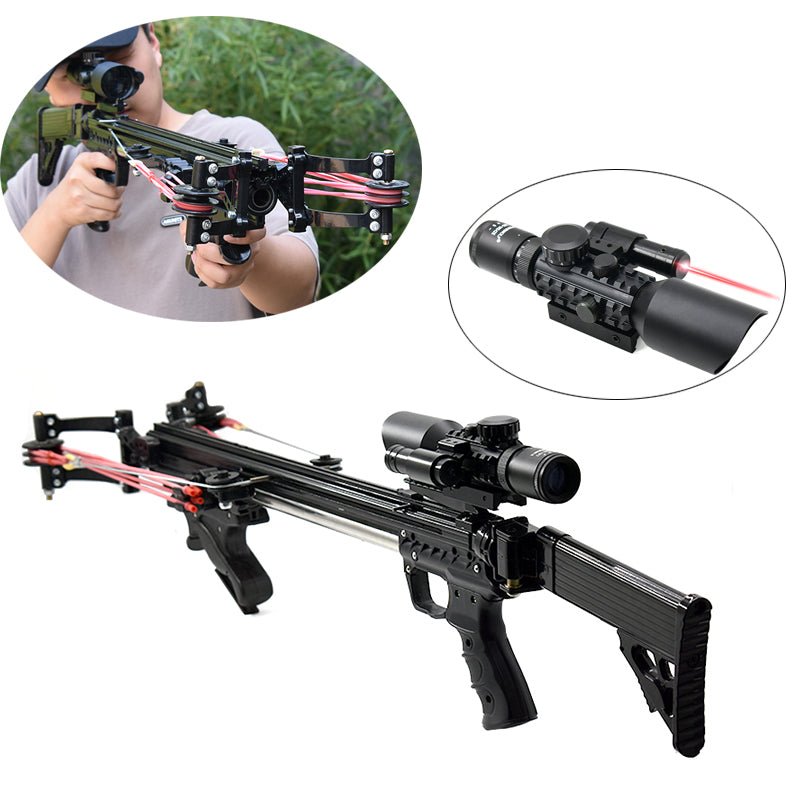


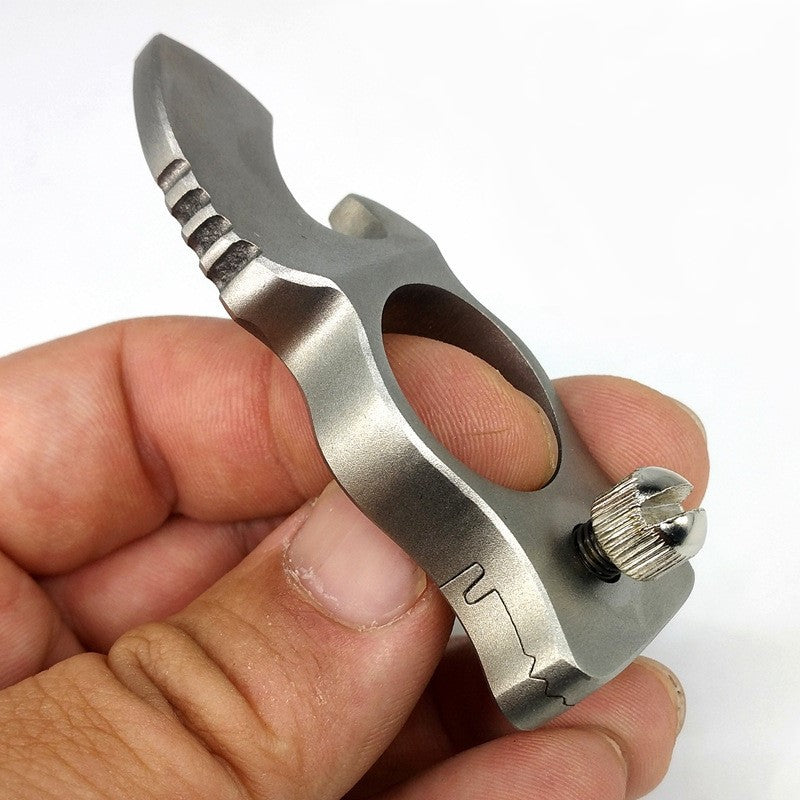
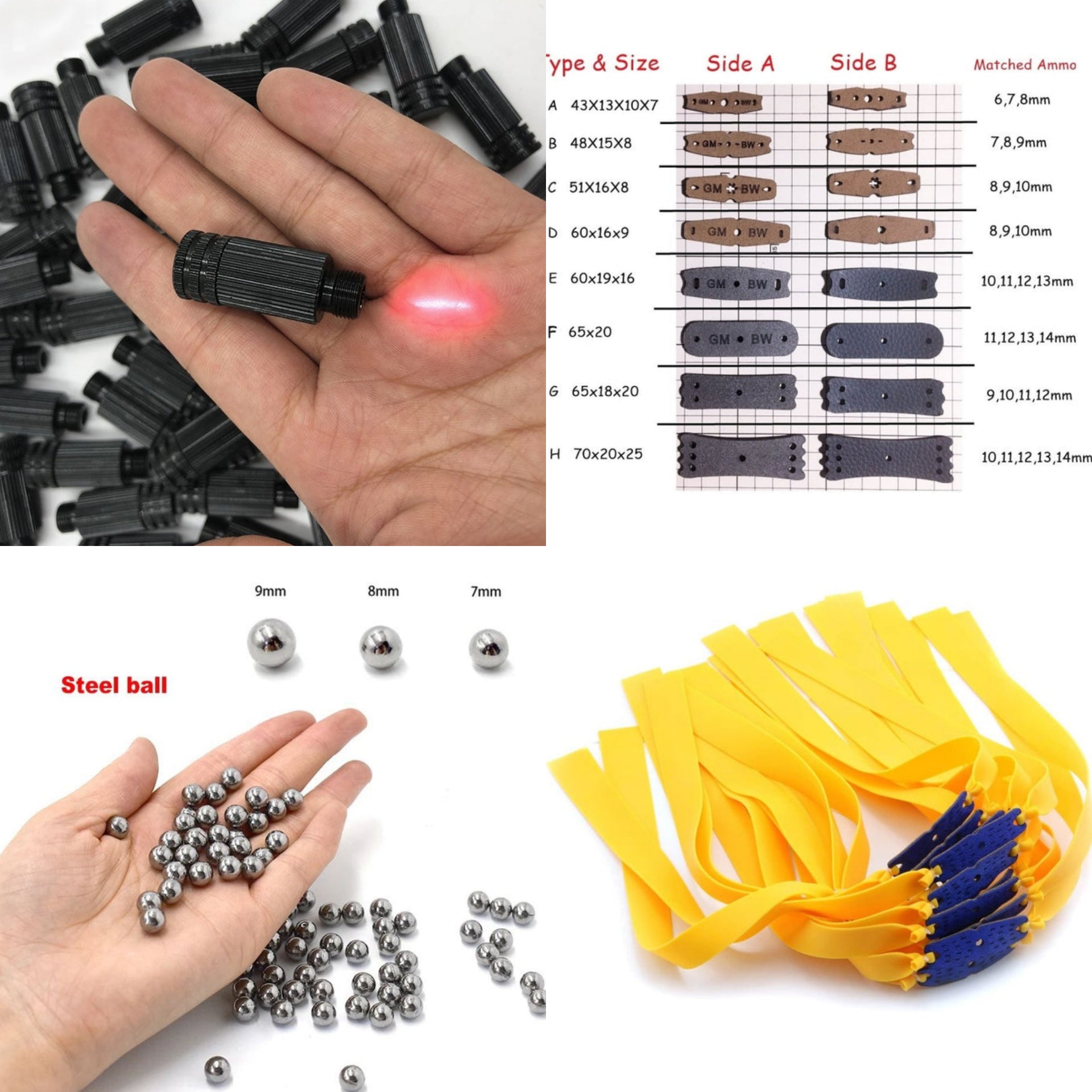







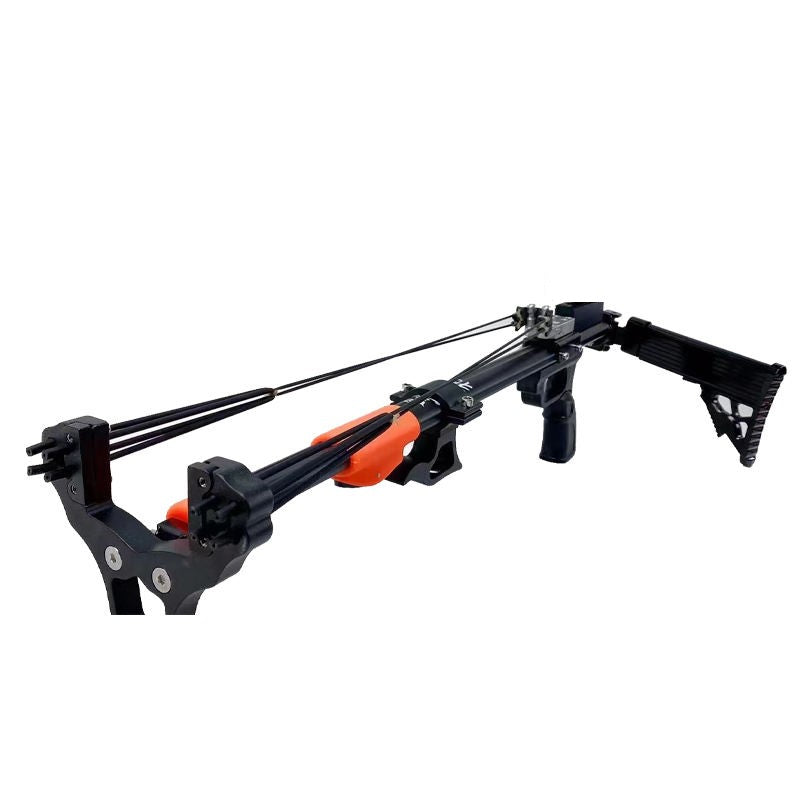





Choosing between titanium, stainless steel, and alloy slingshots depends on your preferences for weight, material properties, appearance, maintenance, and budget. Each material offers different advantages, making it important to understand their differences before selecting a frame for recreational use.
In this guide, we compare titanium, stainless steel, and alloy slingshots to help you make an informed decision.
1. Titanium Slingshots

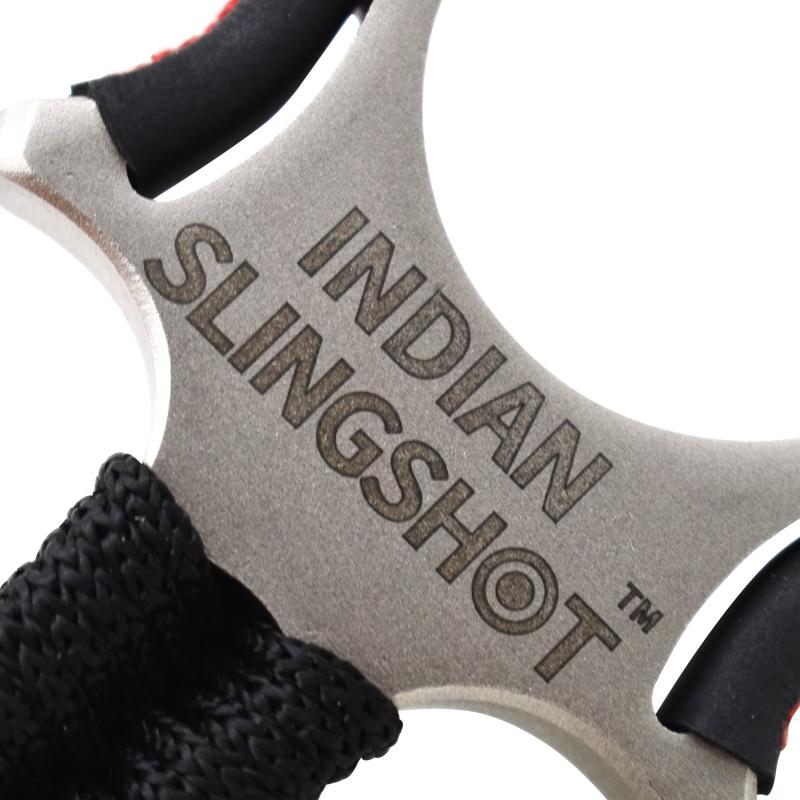
Titanium slingshots are known for their excellent strength-to-weight ratio and corrosion resistance. They are an option for customers who prefer a lightweight metal frame with a premium finish.
Key characteristics:
-
Weight: Titanium is relatively lightweight compared with many other metals of similar strength.
-
Finish: Often features a modern metallic appearance, with finishes depending on the manufacturing process.
-
Durability: Titanium has excellent corrosion resistance and good strength.
-
Maintenance: Generally requires minimal maintenance under normal conditions.
-
Price range: Often positioned in the premium category due to material and manufacturing costs.
Best suited for: Customers who value lightweight construction, corrosion resistance, and premium materials.
2. Stainless Steel Slingshots

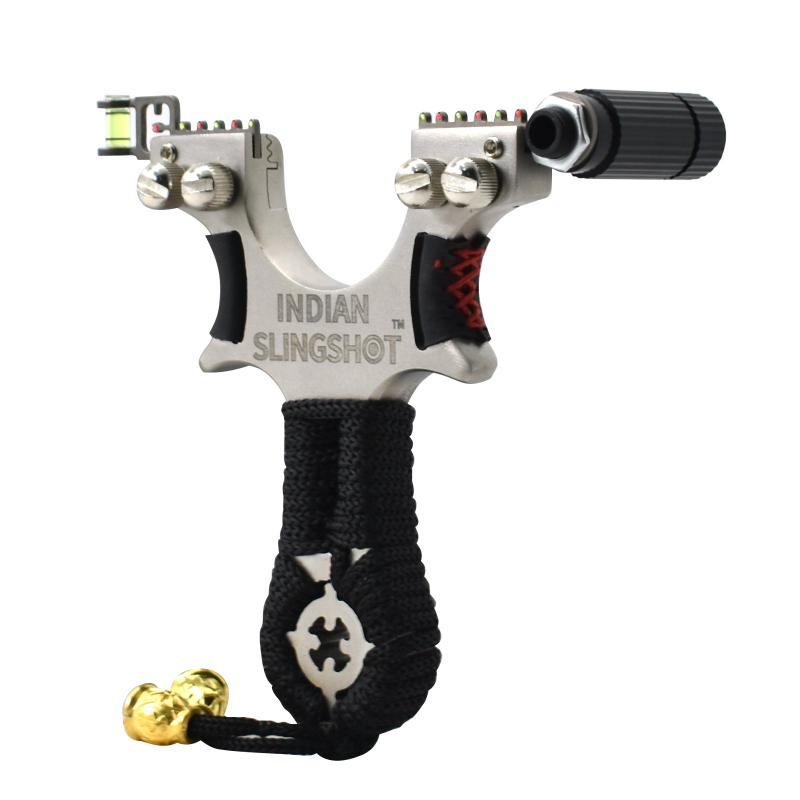
Stainless steel slingshots are popular among customers who prefer a solid metal frame and a substantial feel in the hand. Their appearance and corrosion resistance depend on the steel grade and surface finish.
Key characteristics:
-
Weight: Generally heavier than titanium frames of comparable size.
-
Finish: Available in polished, brushed, and other surface finishes.
-
Durability: Offers good strength and wear resistance when manufactured appropriately.
-
Maintenance: Easy to maintain with routine cleaning and thorough drying.
-
Price range: Varies according to the steel grade, frame design, finishing, and manufacturing quality.
Best suited for: Customers who prefer a solid-feeling metal frame with a classic metallic appearance.
3. Alloy Slingshots

The term “alloy” refers to a combination of metals. Many slingshot frames use aluminium alloys or zinc alloys, which have different properties. Therefore, it is important to check the specific alloy used in a product before comparing it with titanium or stainless steel.
Key characteristics:
-
Weight: Aluminium alloy frames are often lightweight, while zinc alloy frames can feel considerably heavier.
-
Finish: May include polished, painted, anodised, or other decorative finishes, depending on the material.
-
Durability: Depends on the alloy composition, frame design, manufacturing process, and surface treatment.
-
Maintenance: Usually straightforward; follow the manufacturer's cleaning and storage instructions.
-
Price range: Often offers a range of options from budget-friendly to premium designs.
Best suited for: Customers looking for different frame designs, finishes, and price points.
4. Titanium vs Stainless Steel vs Alloy: Comparison Table
| Feature | Titanium | Stainless Steel | Alloy |
|---|---|---|---|
| Weight | Generally lightweight | Generally heavier | Depends on alloy type |
| Strength | Excellent strength-to-weight ratio | Good strength | Varies by composition |
| Corrosion resistance | Excellent | Good, depending on grade | Depends on alloy and finish |
| Appearance | Premium metallic look | Classic metallic finish | Wide range of finishes |
| Maintenance | Generally low | Routine cleaning and drying | Depends on material and finish |
| Price | Often premium | Varies by grade and design | Wide price range |
| Main advantage | Lightweight construction | Solid metal feel | Variety of designs and price points |
Note: These are general material comparisons. Actual performance depends on the specific material grade, frame dimensions, manufacturing quality, and finish.
5. Which Slingshot Material Should You Choose?
The right choice depends on what matters most to you.
-
Choose titanium if you prioritise a lightweight metal frame and excellent corrosion resistance.
-
Choose stainless steel if you prefer a solid-feeling frame and a classic metallic finish.
-
Choose an alloy frame if you want more variety in frame designs, finishes, and budget options.
Before purchasing, check the product's exact material, dimensions, weight, finish, and compatibility with its intended accessories.
6. Tips for Maintaining Your Slingshot Frame
Regardless of the material, proper care can help preserve your frame's appearance and condition.
-
Wipe away dirt, moisture, and fingerprints after use.
-
Dry the frame thoroughly before storing it.
-
Avoid harsh cleaning chemicals unless approved by the manufacturer.
-
Inspect the frame regularly for cracks, deformation, or other damage.
-
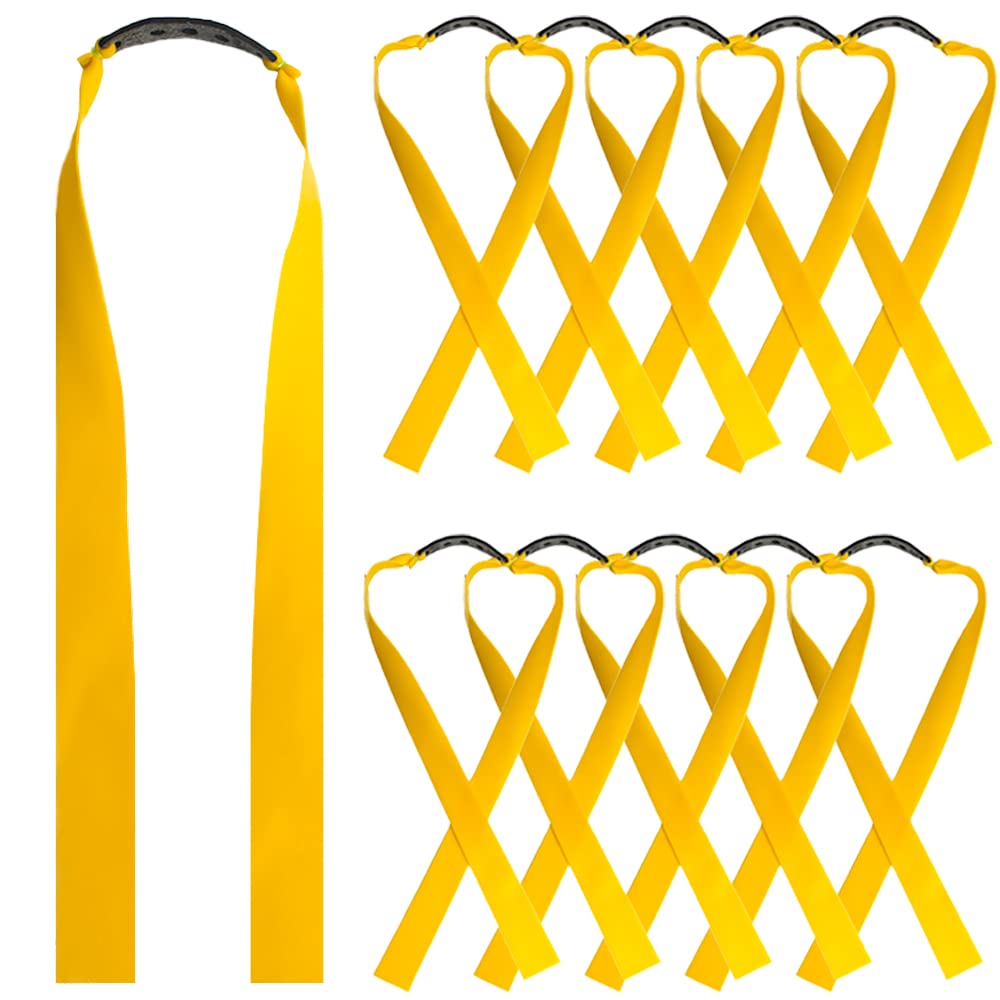
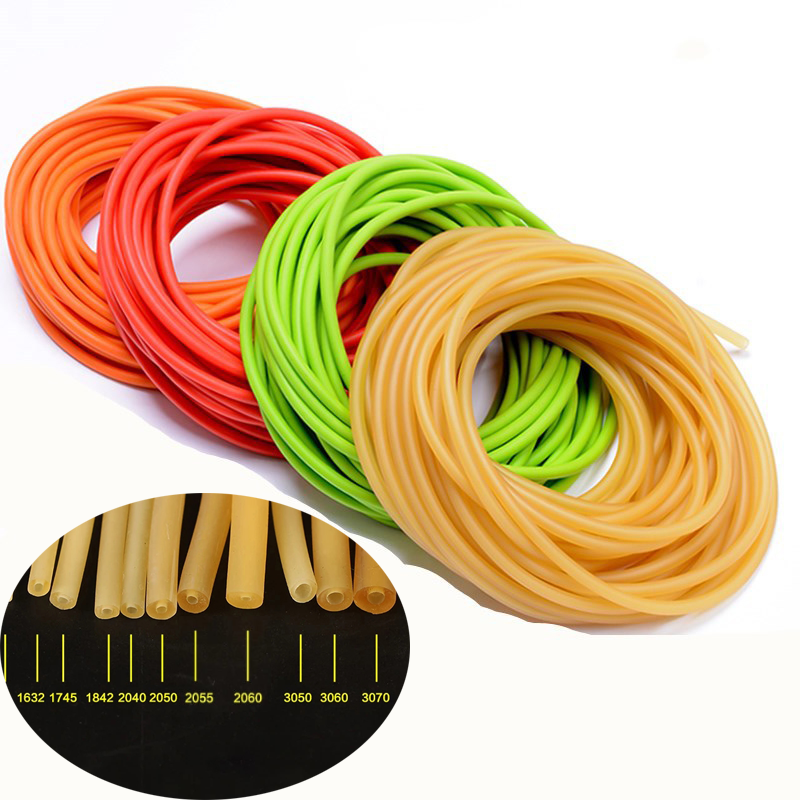
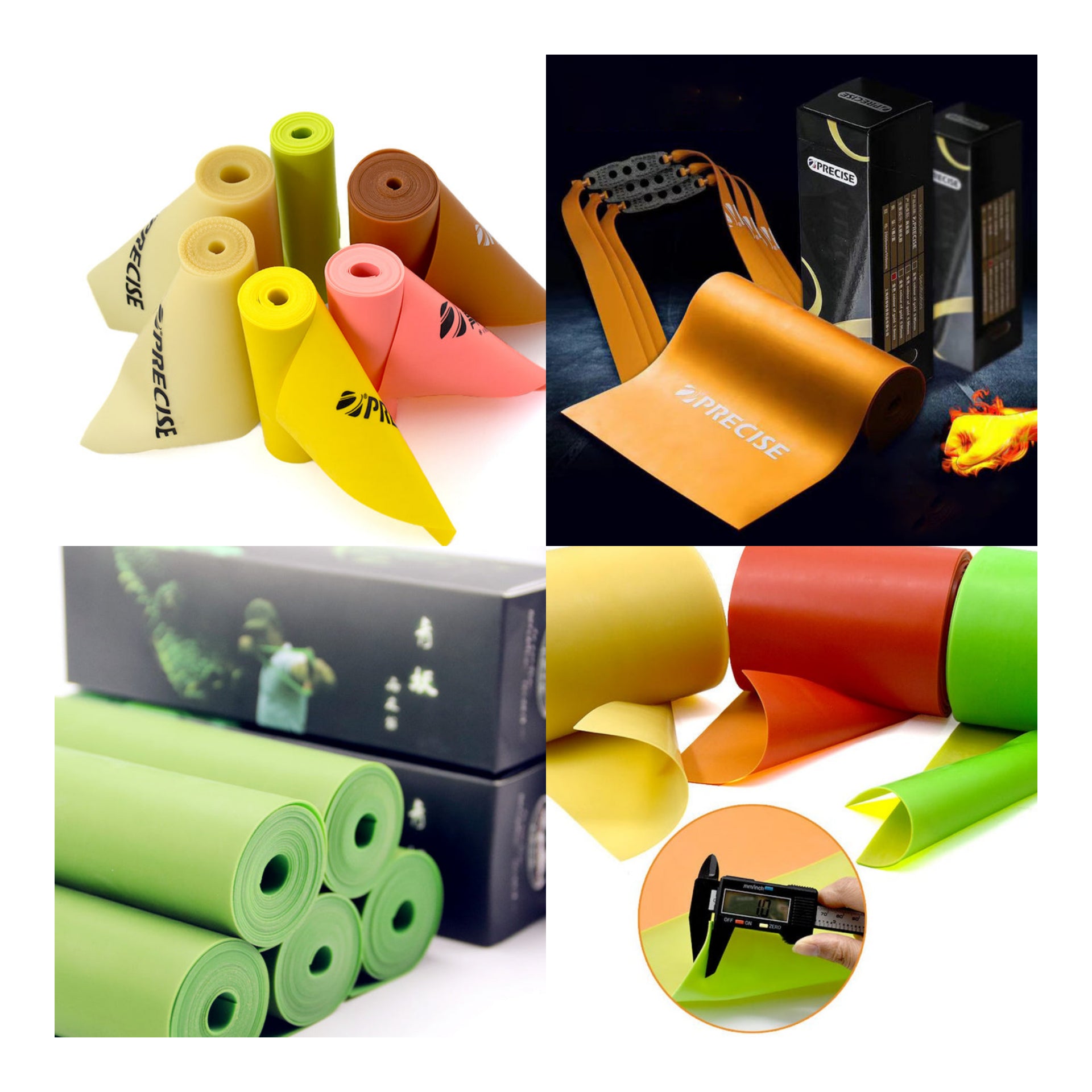
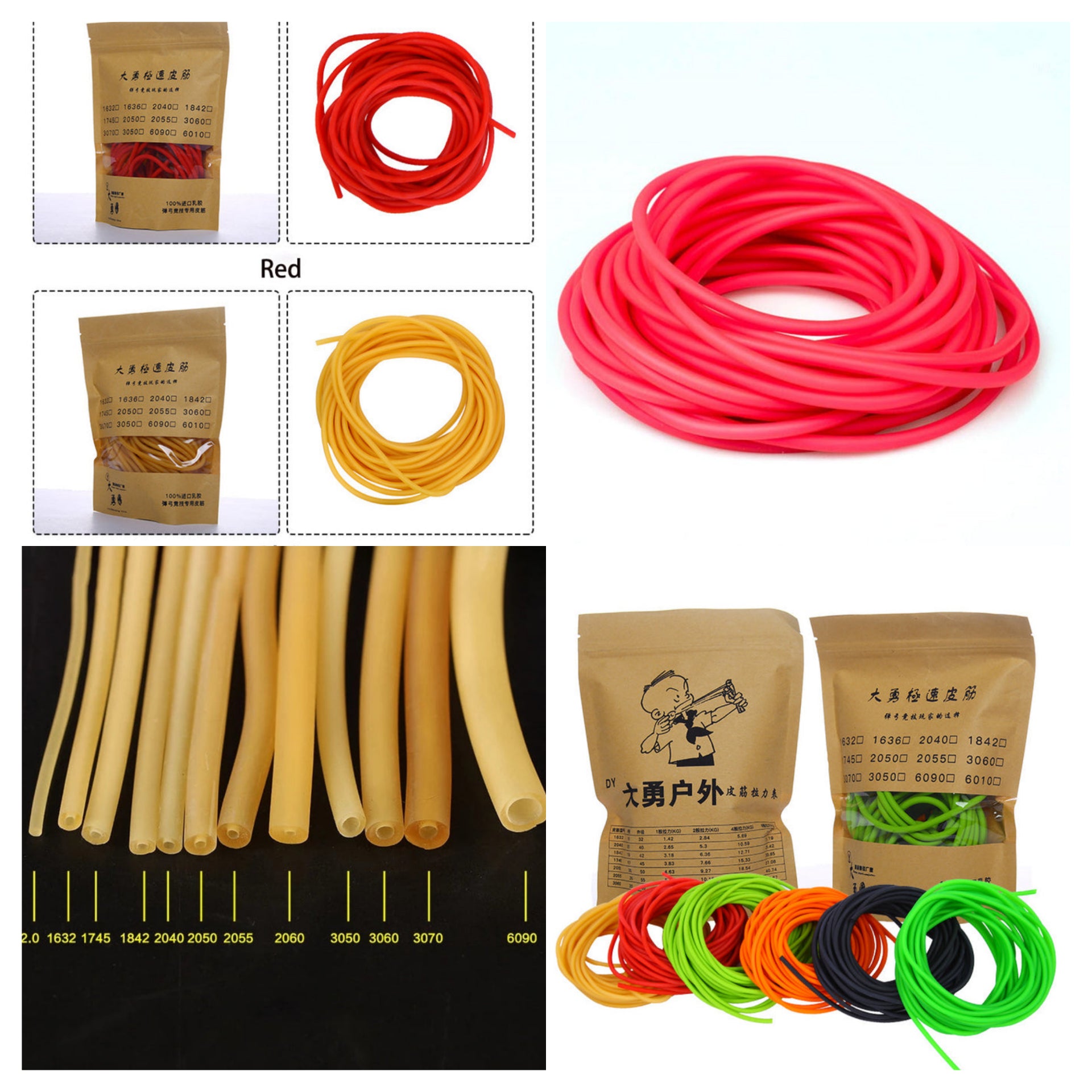
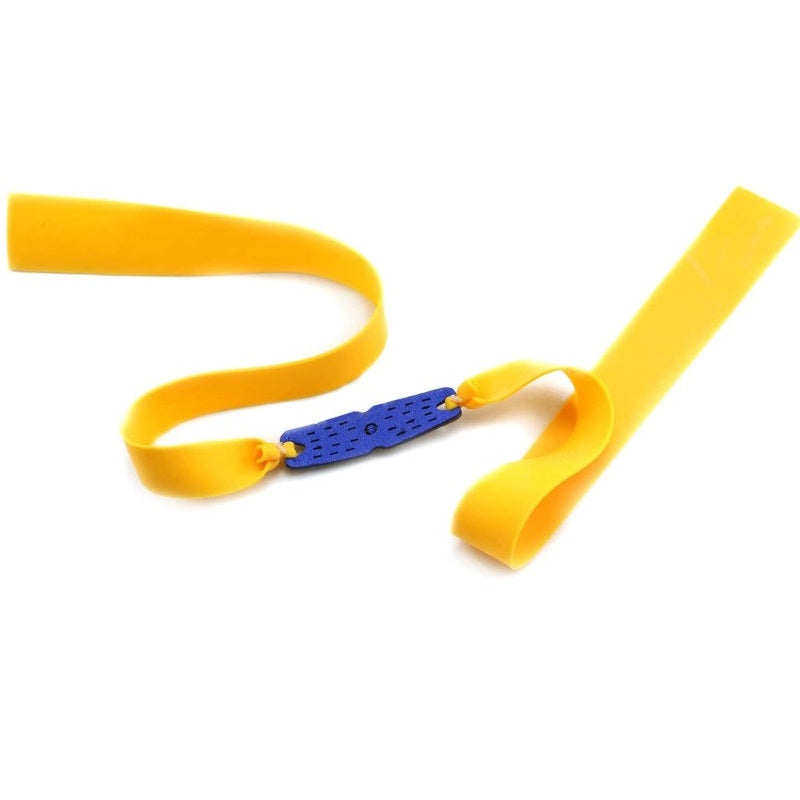
Check compatible elastic components for wear and replace damaged parts according to the manufacturer's instructions.
Always follow the manufacturer's safety instructions, use appropriate protective eyewear, and use recreational equipment only in a designated safe area with a suitable backstop.
7. Explore INDIAN SLINGSHOT®
Looking for different slingshot frame materials and designs? Explore the INDIAN SLINGSHOT® website to discover available products and accessories.
Visit INDIAN SLINGSHOT® to browse the collection and compare product specifications before making your choice.
Frequently Asked Questions
Is titanium lighter than stainless steel?
Generally, yes. Titanium has a lower density than stainless steel, so a titanium frame can weigh less than a stainless steel frame of comparable size and design.
Are all alloy slingshots lightweight?
No. Alloy is a broad term. Aluminium alloys are generally lightweight, while zinc alloys are denser. Always check the material and listed product weight.
Which material offers the best corrosion resistance?
Titanium generally offers excellent corrosion resistance. Many stainless steel grades also resist corrosion well. Other alloys vary depending on their composition and protective finish.
Are titanium slingshots more expensive?
They are often more expensive because of material and manufacturing costs, although actual prices vary by design, brand, and product specifications.
What should I check before buying a slingshot frame?
Review the material, dimensions, weight, finish, accessory compatibility, product condition, and manufacturer's safety guidance.
Conclusion
Titanium, stainless steel, and alloy slingshots each have distinct material characteristics. Titanium is valued for its strength-to-weight ratio and corrosion resistance, stainless steel for its solid feel and metallic finish, and alloy frames for their variety of designs and price points.
Compare the specifications of individual products to find the option that best matches your preferences and budget.