
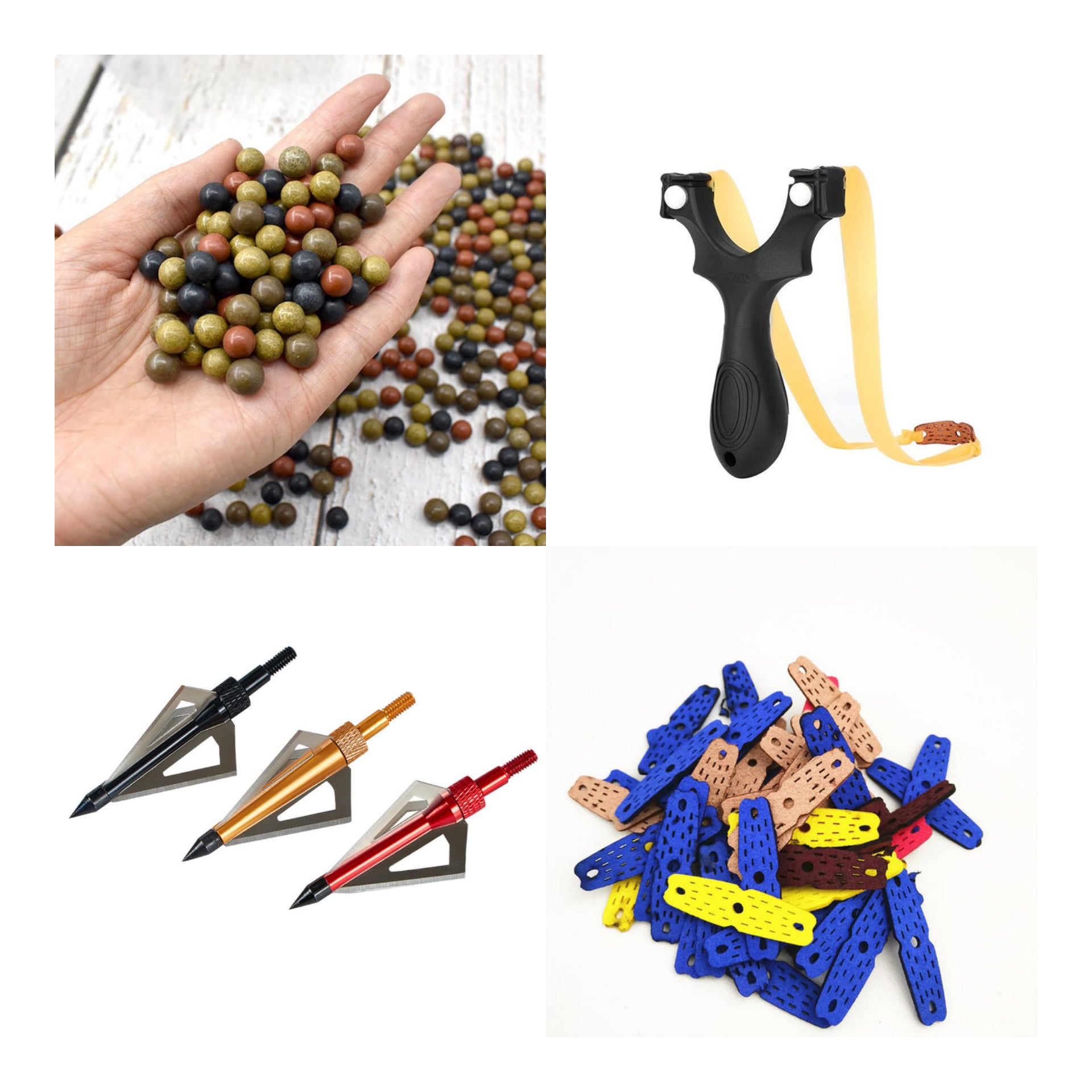







Seed balls are a simple and nature-friendly way to help introduce seeds into suitable outdoor environments. They are small balls made from a mixture of seeds and natural materials, such as clay and compost. Once placed in an appropriate location and exposed to enough moisture, the seeds can begin the germination process when conditions are right.
Whether you are interested in gardening, green spaces, or reforestation activities, understanding how seed balls work can help you make better planting choices.
In this beginner's guide, we will explain what seed balls are, how they are made, the right conditions for seed ball planting, and how to choose suitable seeds.
1. What Are Seed Balls?
Seed balls are compact balls containing seeds mixed with materials such as clay, soil, or organic matter. The outer layer helps hold the mixture together and protects the seeds during handling and placement.
They are sometimes called seed bombs or clay seed balls. Unlike conventional planting, where each seed is placed individually into prepared soil, seed balls offer a convenient way to distribute seeds across suitable planting areas.
Common uses of seed balls include:
-
Home gardening and landscaping
-
Greening suitable open spaces
-
Educational gardening activities
-
Native plant restoration projects
-
Community planting initiatives
Seed balls are not a guarantee of plant growth. Successful germination depends on seed quality, soil, moisture, temperature, sunlight, and other local conditions.
2. What Are Seed Balls Made Of?
A typical seed ball contains three main components:
A. Seeds
Seeds are the most important part of a seed ball. Choose healthy, viable seeds that are suitable for the local climate and planting location.
B. Clay or Soil
Clay helps bind the ingredients together and forms a protective outer layer around the seeds. It also makes the seed balls easier to handle and distribute.
C. Organic Matter
Compost or other suitable organic material can be included to improve the growing environment around the seeds. The mixture should not be too dense or compact.
The exact composition varies depending on the seed type and intended planting conditions.
3. How Does Seed Ball Planting Work?
Seed ball planting is straightforward, but choosing the right location is important.
Step 1: Choose a suitable area
Select an outdoor location where the chosen plant species can naturally grow. Consider soil type, sunlight, available space, and local rainfall.
Step 2: Place the seed balls
Place seed balls on suitable soil or ground where they can receive natural rainfall or occasional watering. Avoid placing them on concrete, paved surfaces, or areas where water cannot reach them.
Step 3: Allow moisture to reach the seeds
Rain or watering gradually softens the clay mixture. This allows the seeds to come into contact with moisture and the surrounding soil.
Step 4: Give seeds time to germinate
Germination time varies by plant species. Some seeds may sprout within days, while others may need several weeks or specific seasonal conditions.
Step 5: Monitor the growing area
Check the area periodically for moisture, weeds, and early plant growth. Young plants may need additional care, especially during dry weather.
4. What Are the Best Conditions for Seed Ball Planting?
The success of seed ball planting depends on selecting an appropriate location and planting season.
| Condition | What to look for |
|---|---|
| Soil | Soil suitable for the selected plant species |
| Moisture | Consistent moisture without prolonged waterlogging |
| Sunlight | Light conditions required by the plant |
| Temperature | A suitable seasonal temperature range |
| Rainfall | Planting before or during a suitable rainy period |
| Space | Enough room for plants to develop |
Moisture
Water is essential for seed germination. Natural rainfall can provide the moisture needed to soften seed balls and support early growth.
If rainfall is insufficient, occasional watering may help. However, avoid waterlogged areas because excessive moisture can damage seeds or young roots.
Sunlight
Different plants have different sunlight requirements. Some native species grow best in full sunlight, while others prefer partial shade.
Check the requirements of the selected seeds before choosing a planting location.
Planting Season
For many outdoor planting projects, the beginning of a suitable rainy season can provide helpful natural moisture. However, the ideal planting time depends on the plant species and local climate.
5. How Long Do Seed Balls Take to Germinate?
There is no single germination period for all seed balls.
The time required depends on:
-
Seed species and seed freshness
-
Moisture availability
-
Soil conditions
-
Temperature
-
Seasonal conditions
-
Natural dormancy requirements
Some seeds germinate relatively quickly, while others may require specific temperature changes, rainfall patterns, or seasonal conditions.
Be patient and avoid disturbing seed balls frequently. Not every seed will germinate, and some species may take longer than others.
6. How to Choose Suitable Native Seeds
Choosing the right seeds is one of the most important parts of successful seed ball planting.
Native plants are species that naturally occur in a particular geographical region. They are generally better adapted to local environmental conditions and can support local biodiversity.
Before choosing seeds, consider the following:
-
Local suitability: Select species native to the area where you plan to plant.
-
Climate: Check whether the species can tolerate local temperatures and rainfall.
-
Soil conditions: Match the seed species to the soil type and drainage.
-
Water requirements: Choose plants suited to the amount of natural moisture available.
-
Growth characteristics: Consider mature plant size, root development, and available space.
-
Ecological impact: Avoid introducing invasive or unsuitable non-native species.
For larger restoration projects, consult local forestry departments, native plant nurseries, or ecological experts to identify appropriate species.
Important: A seed that grows well in one region may not be suitable for another. Always check local planting recommendations before distributing seed balls.
7. What Are Guava Seed Balls?
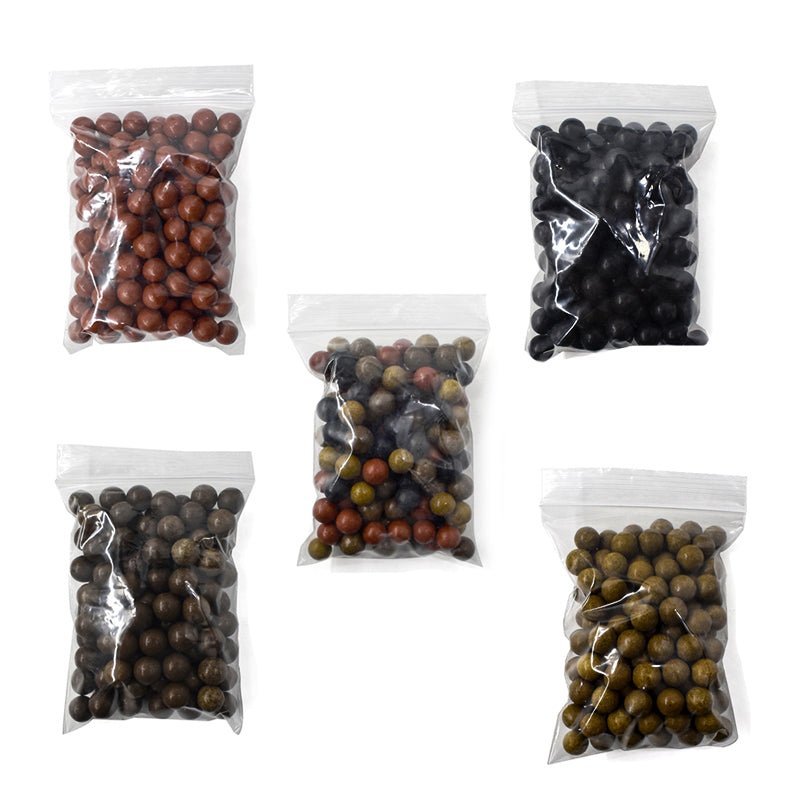
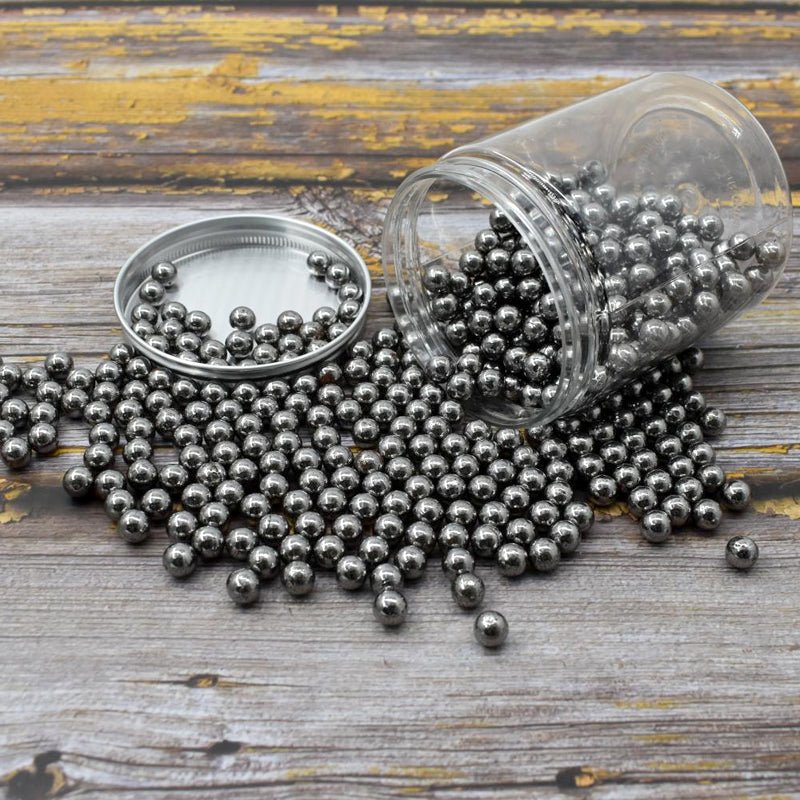
Guava seed balls are seed balls made using guava seeds and a suitable clay-based mixture. They are designed to make handling and distributing guava seeds more convenient.
Guava plants are tropical and subtropical fruit-bearing plants. Their growth depends on suitable climate, soil, sunlight, moisture, and care.
At INDIAN SLINGSHOT®, our guava seed-ball products are intended for people interested in seed-based planting activities and green initiatives.
Product details:
-
Guava seed clay balls
-
Approximately 250 pieces per pack
-
Individual seed ball weight: approximately 0.5 g
-
Available pack options may include 0.5 kg and 1 kg
Product availability and pack specifications may vary.
Before planting guava seed balls, check whether guava is appropriate for your local area. In regions where guava is non-native or may spread beyond cultivation, follow local ecological guidance and avoid distributing seeds in natural habitats.
8. Tips for Better Seed Ball Planting Results
Follow these practical tips to improve your planting experience:
-
Use fresh, viable seeds from a reliable source.
-
Choose plant species suitable for your local environment.
-
Select soil with suitable drainage.
-
Plant during an appropriate seasonal period.
-
Ensure the area receives enough natural rainfall or watering.
-
Avoid locations exposed to frequent flooding or excessive disturbance.
-
Give seeds enough time to germinate.
-
Monitor young plants and provide care when necessary.
Remember that seed balls support seed distribution, but they cannot replace suitable growing conditions and ongoing care.
9. Frequently Asked Questions About Seed Balls
What is the purpose of a seed ball?
A seed ball makes seeds easier to handle and distribute in suitable planting areas. Its clay-based structure helps hold the seed mixture together until moisture reaches it.
Do seed balls need watering?
Seed balls need moisture for germination. Rainfall may provide enough water during suitable seasons. In dry conditions, occasional watering may be necessary.
Can seed balls grow anywhere?
No. Seeds need suitable soil, moisture, temperature, and sunlight. Choose a planting location based on the requirements of the plant species.
How long does it take for guava seed balls to germinate?
Germination time varies with seed quality, temperature, moisture, and growing conditions. Guava seeds may take several weeks, and results can vary.
Are guava seed balls suitable for every region?
Not necessarily. Guava grows well in many tropical and subtropical areas, but local ecological suitability should always be checked before planting.
Can seed balls be used for reforestation?
Seed balls can be used in some restoration and greening projects. However, the seeds must be appropriate native species, and planting should follow local ecological guidance.
What is the difference between seeds and seed balls?
Seeds are individual plant reproductive structures. Seed balls contain one or more seeds combined with clay and other materials to make handling and distribution easier.
10. Explore Guava Seed Balls from INDIAN SLINGSHOT®
Interested in trying seed ball planting?
Explore the guava seed-ball products available from INDIAN SLINGSHOT®. They offer a convenient format for seed distribution and nature-focused planting activities where guava is suitable.
Choose an appropriate planting location, consider local environmental conditions, and give the seeds time and care to grow.
Small planting steps can contribute to greener spaces when the right seeds are used in the right places.