






Slingshot Competitions: Traditional vs Precision – What's the Difference?
Slingshot competitions bring together enthusiasts who enjoy testing their focus, consistency, and equipment skills. However, not every competition follows the same format. Some events focus on traditional recreational activities, while others use structured rules, standardised targets, and measured scoring.
Understanding the difference between traditional and precision slingshot competitions can help beginners discover the format that interests them.
In this guide, we explore traditional vs precision slingshot competitions, their main differences, equipment considerations, scoring formats, and safety practices.
1. What Are Slingshot Competitions?
Slingshot competitions are organised recreational sporting events in which participants take part in activities based on accuracy, consistency, and skill.
Depending on the organiser, competitions may include different target formats, distances, scoring systems, and equipment requirements.
Two broad styles enthusiasts may encounter are:
-
Traditional-style recreational competitions
-
Precision-focused target competitions
The exact rules and formats vary between clubs, organisers, and countries.
2. What Are Traditional Slingshot Competitions?
Traditional-style competitions focus on the recreational and heritage aspects of slingshot activities.
These events may use a variety of informal or event-specific target formats. The atmosphere is often more relaxed, making them interesting for enthusiasts who enjoy traditional equipment and community activities.
Common characteristics
-
Traditional-style wooden or simple frame designs
-
Recreational competition formats
-
Different target presentations depending on the event
-
Community participation and friendly challenges
-
Emphasis on enjoyment and consistency
Traditional-style events can vary considerably, so participants should always check the organiser's equipment and safety requirements before attending.
3. What Are Precision Slingshot Competitions?
Precision competitions focus on accuracy, consistency, and measured results.
Unlike informal recreational formats, precision events generally use clearly defined target arrangements and scoring systems. Participants are evaluated according to the competition's published rules.
Common characteristics
-
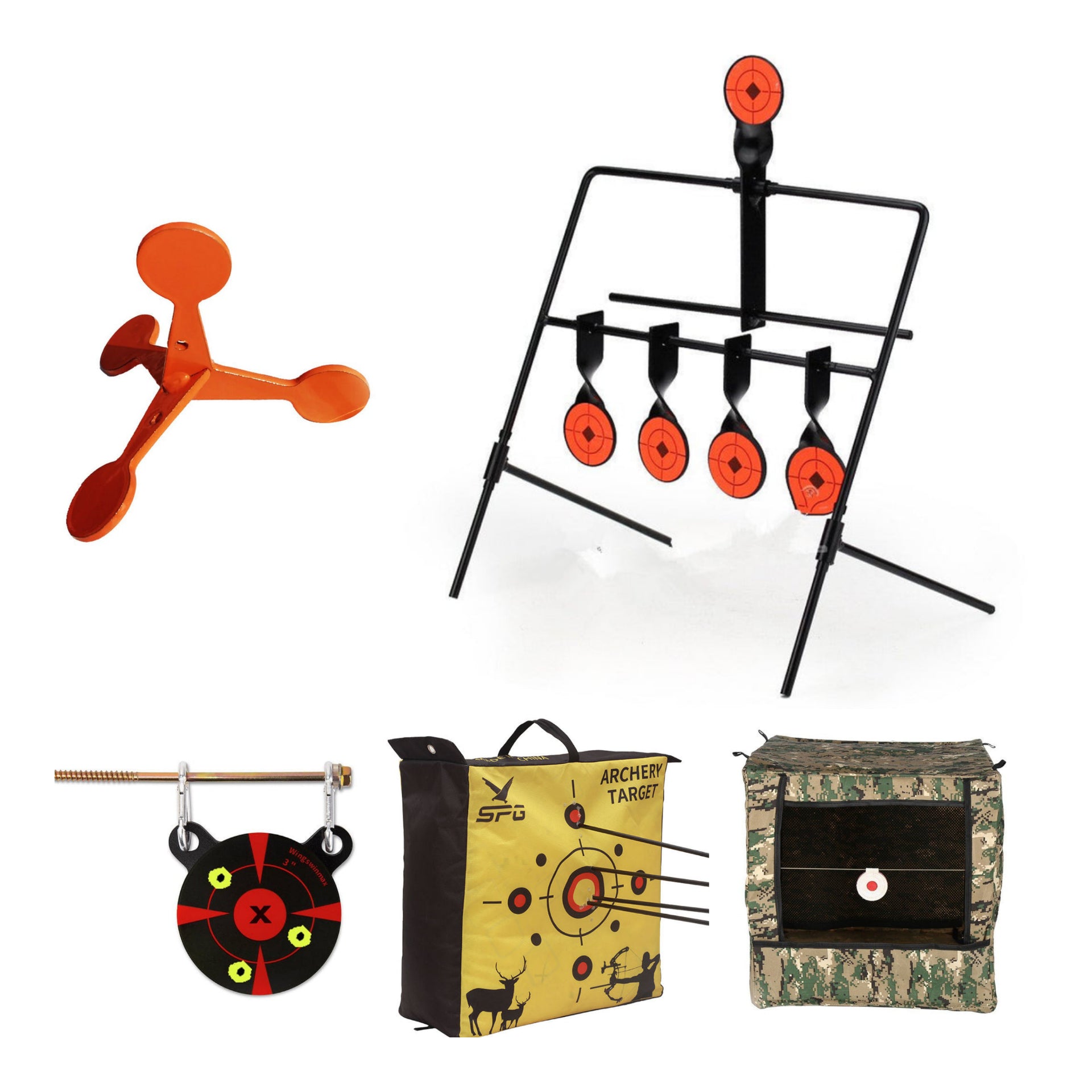
Standardised target arrangements
-
Clearly defined scoring zones
-
Organised competition procedures
-
Consistency-focused performance evaluation
-
Equipment requirements specified by the organiser
Precision competitions may be more structured than traditional recreational events. Participants should review the official rules to understand the scoring method and permitted equipment.
4. Traditional vs Precision Slingshot Competitions: Key Differences
| Feature | Traditional Style | Precision Style |
|---|---|---|
| Main focus | Recreational participation | Accuracy and consistency |
| Competition format | Often varied | More structured |
| Targets | Event-specific formats | Standardised target arrangements |
| Scoring | Depends on organiser | Defined scoring system |
| Equipment | Traditional-style designs may be featured | Equipment must meet event rules |
| Atmosphere | Often relaxed and community-focused | More formal and competitive |
| Beginner experience | Can be informal | Requires understanding of event rules |
Both formats offer different experiences. The best choice depends on individual interests and the type of event available.
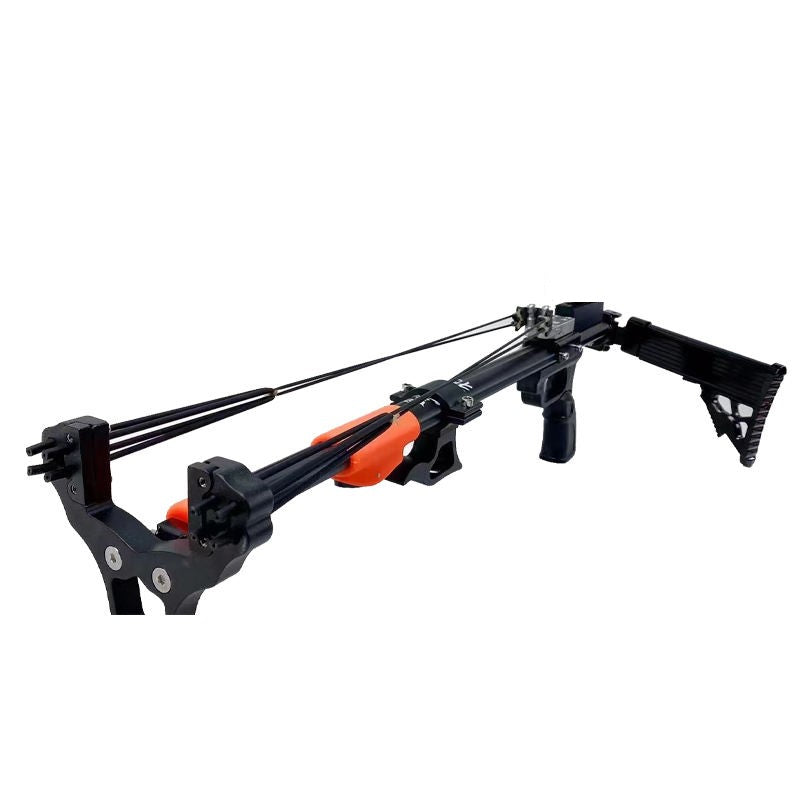
5. What Equipment Is Used in Slingshot Competitions?
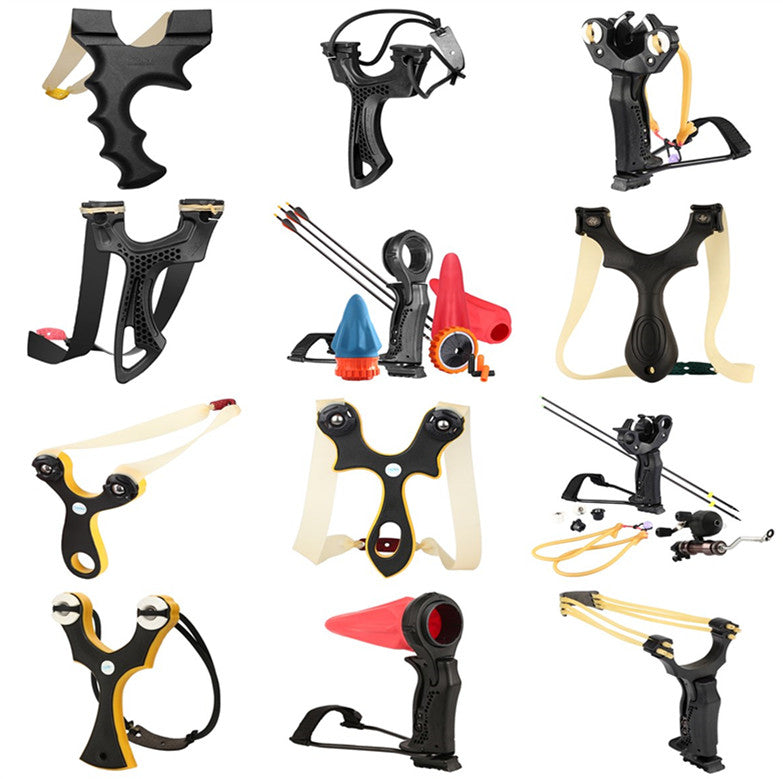
Equipment requirements vary between competitions. Before choosing equipment, check the organiser's rules.
Common equipment categories include:
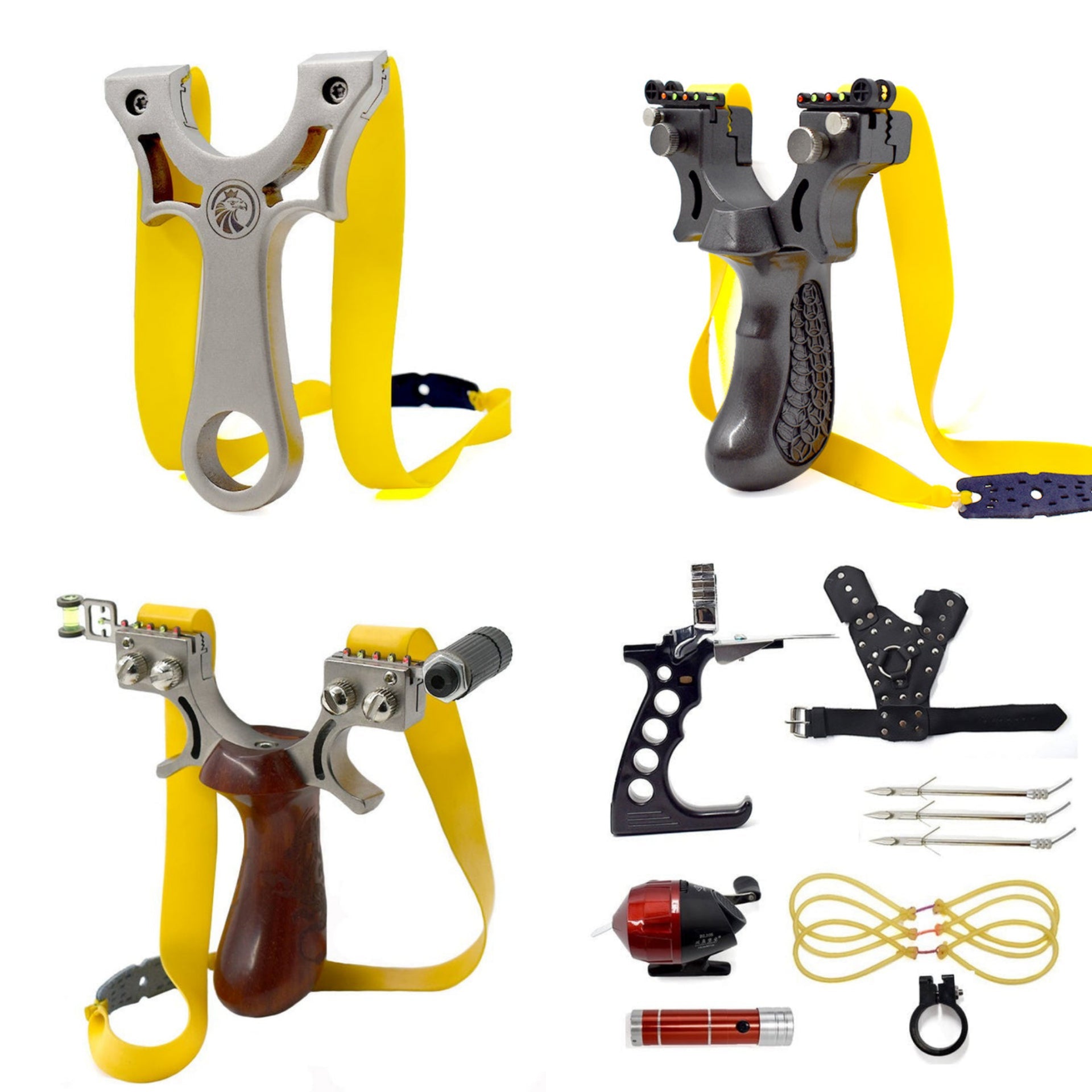
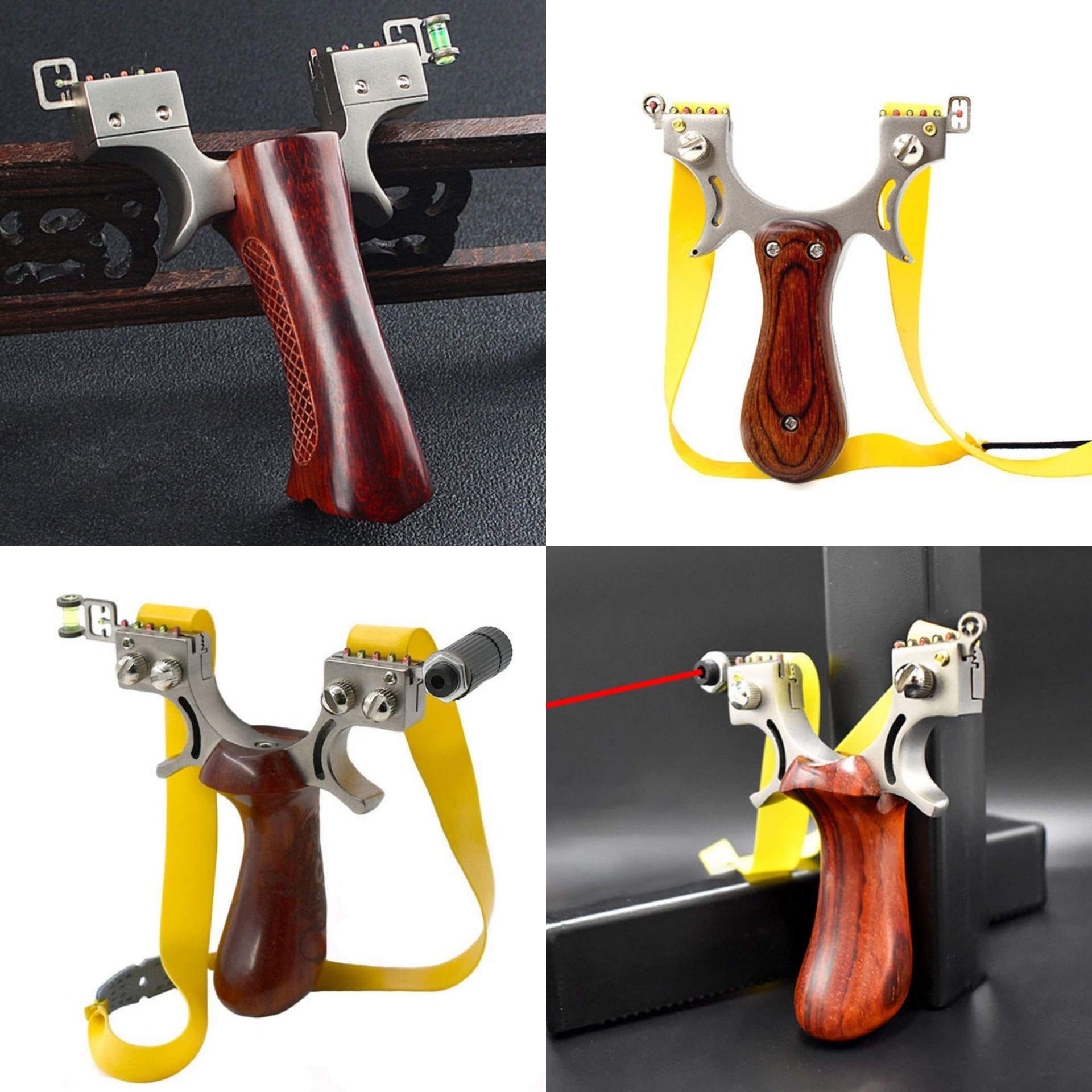
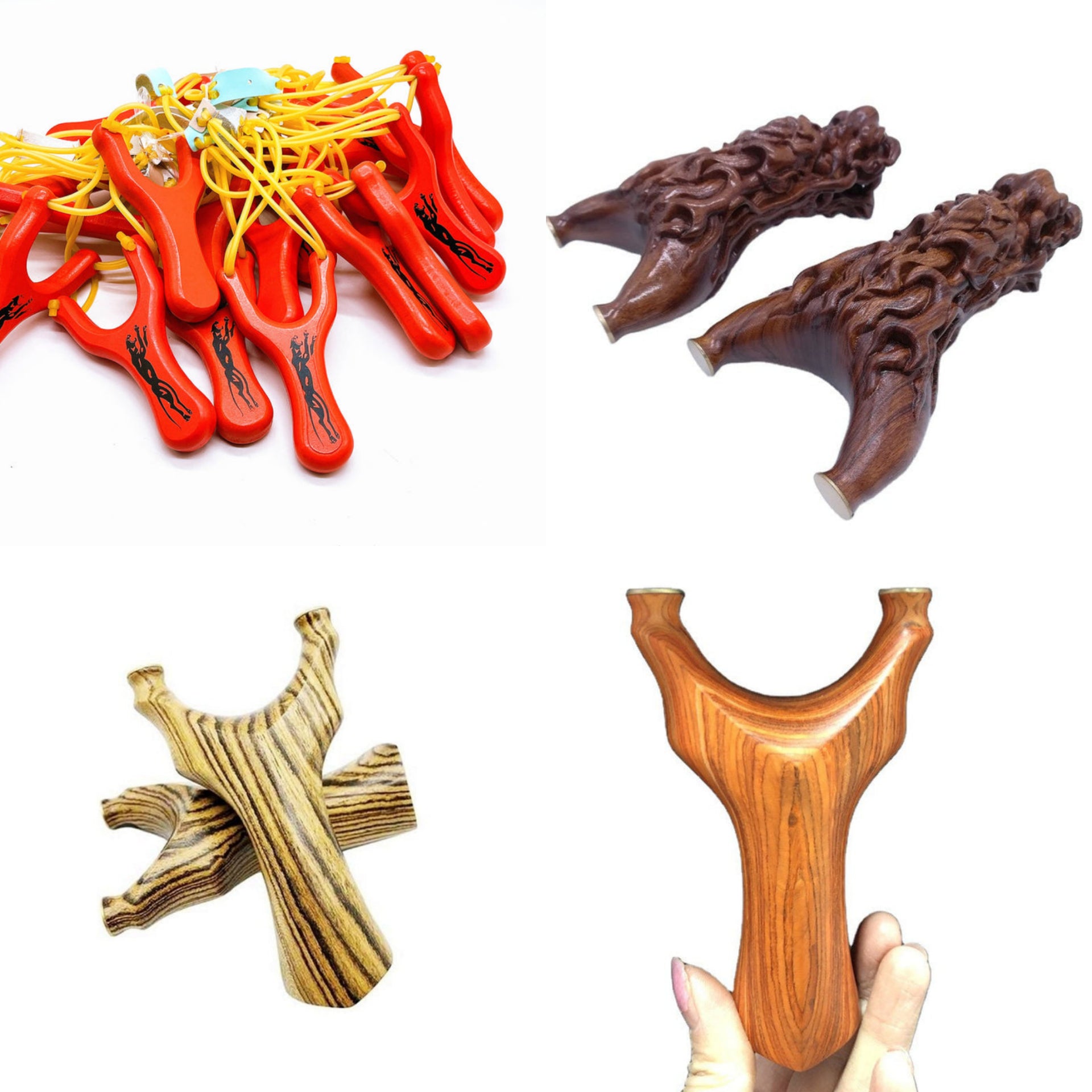
Traditional-style frames
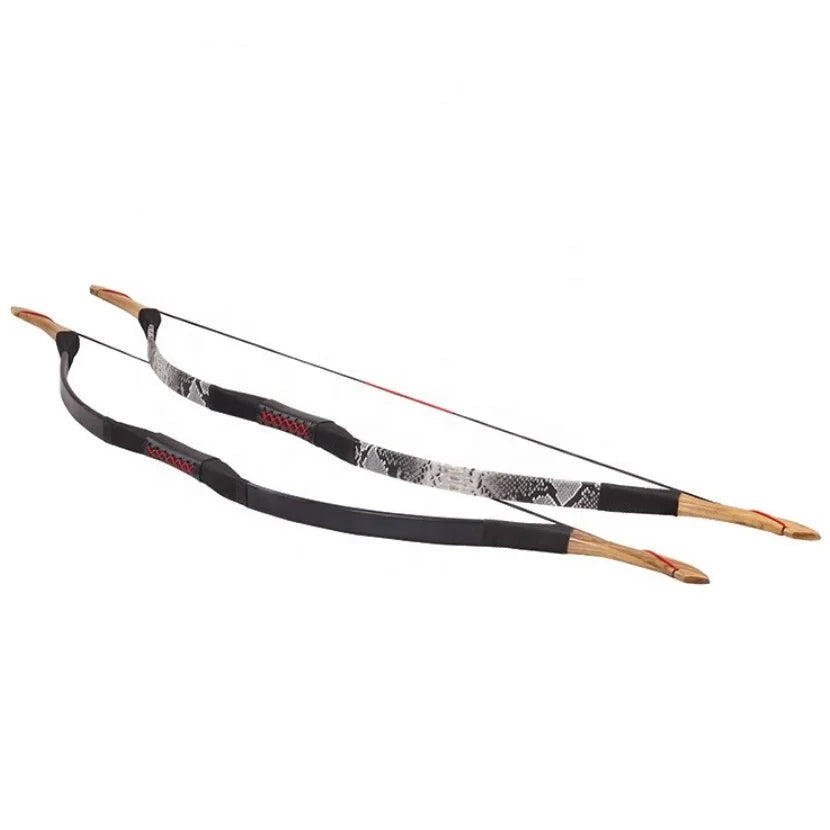
Traditional-style frames may feature wooden construction, simple designs, and classic finishes. Some enthusiasts prefer them for their traditional appearance and recreational appeal.
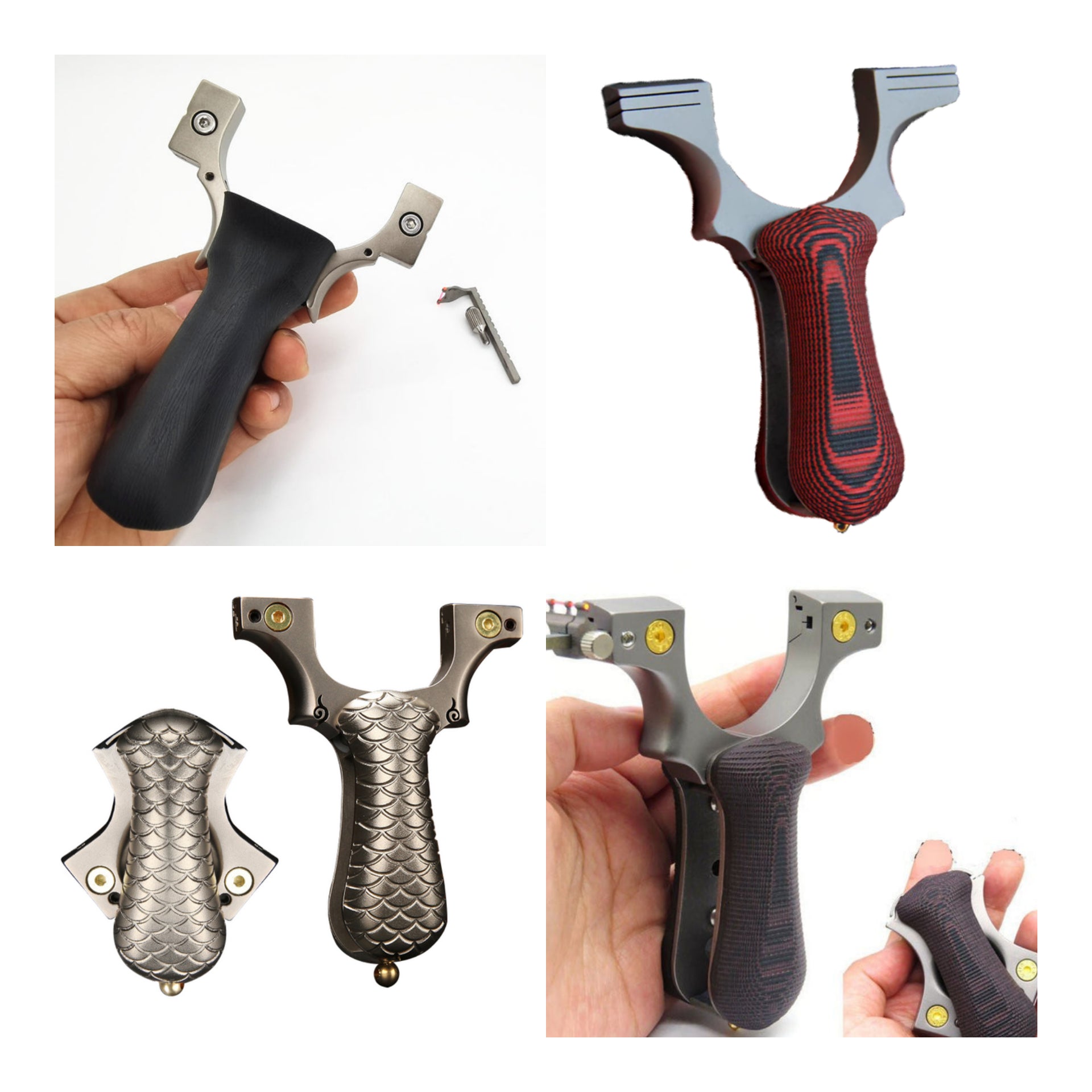
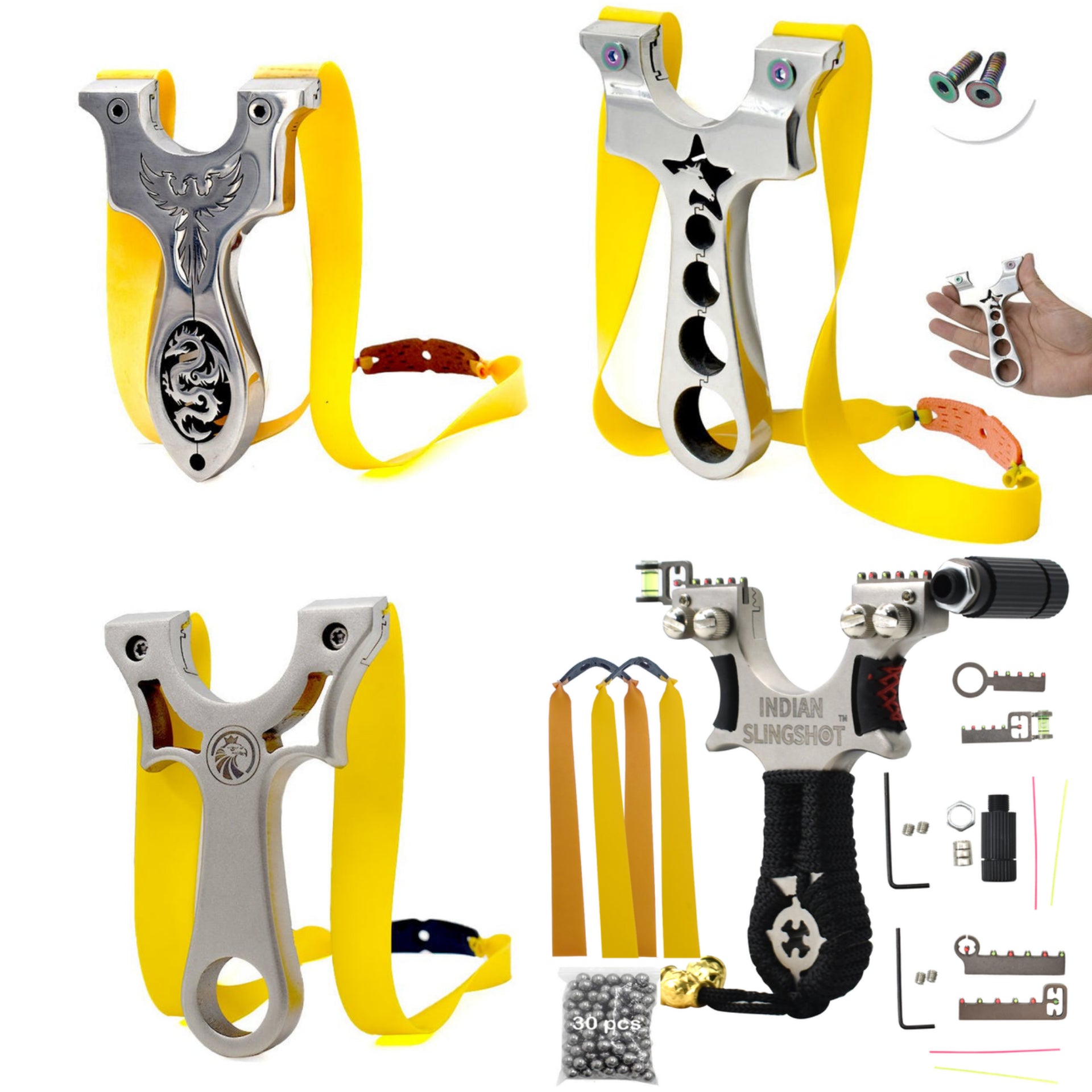
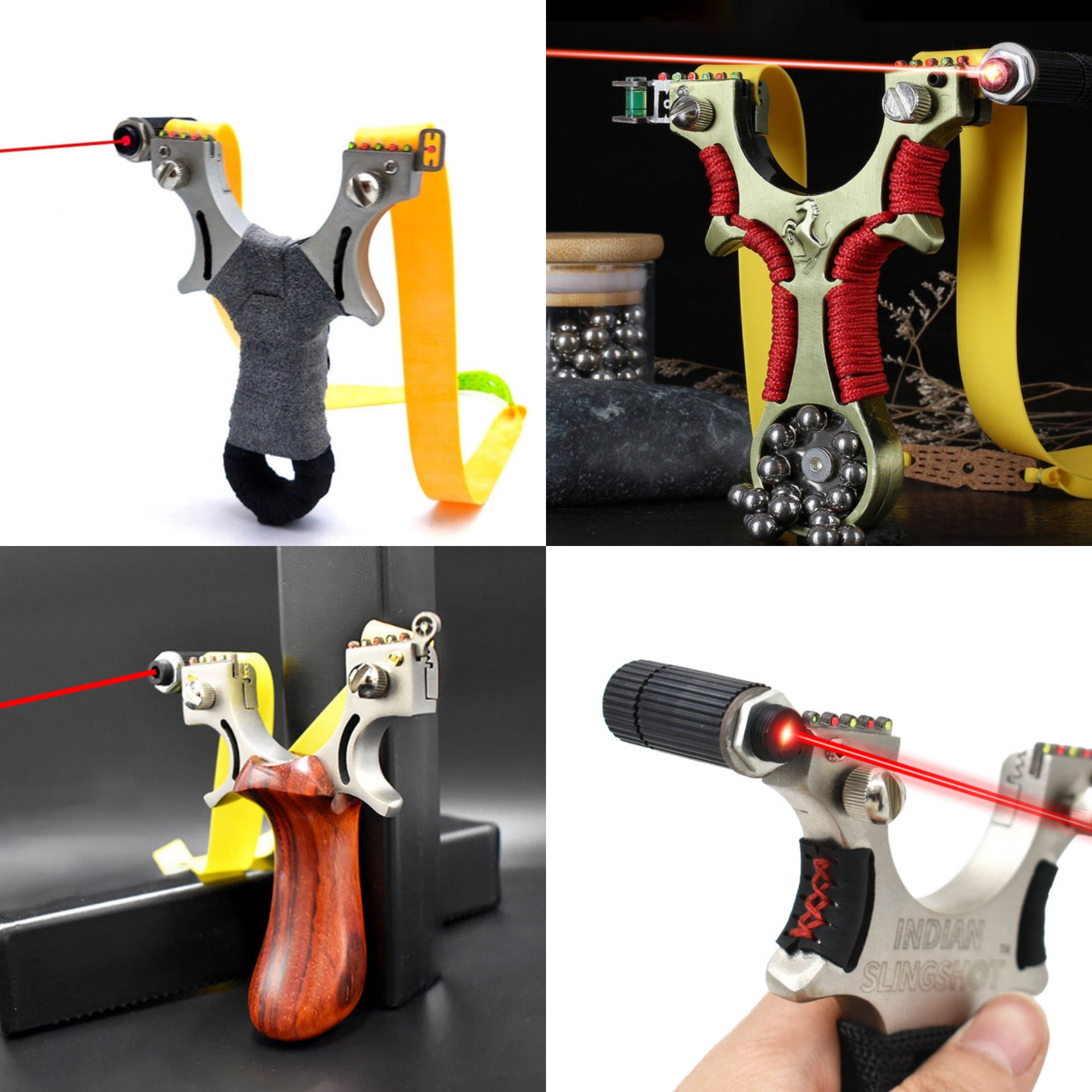
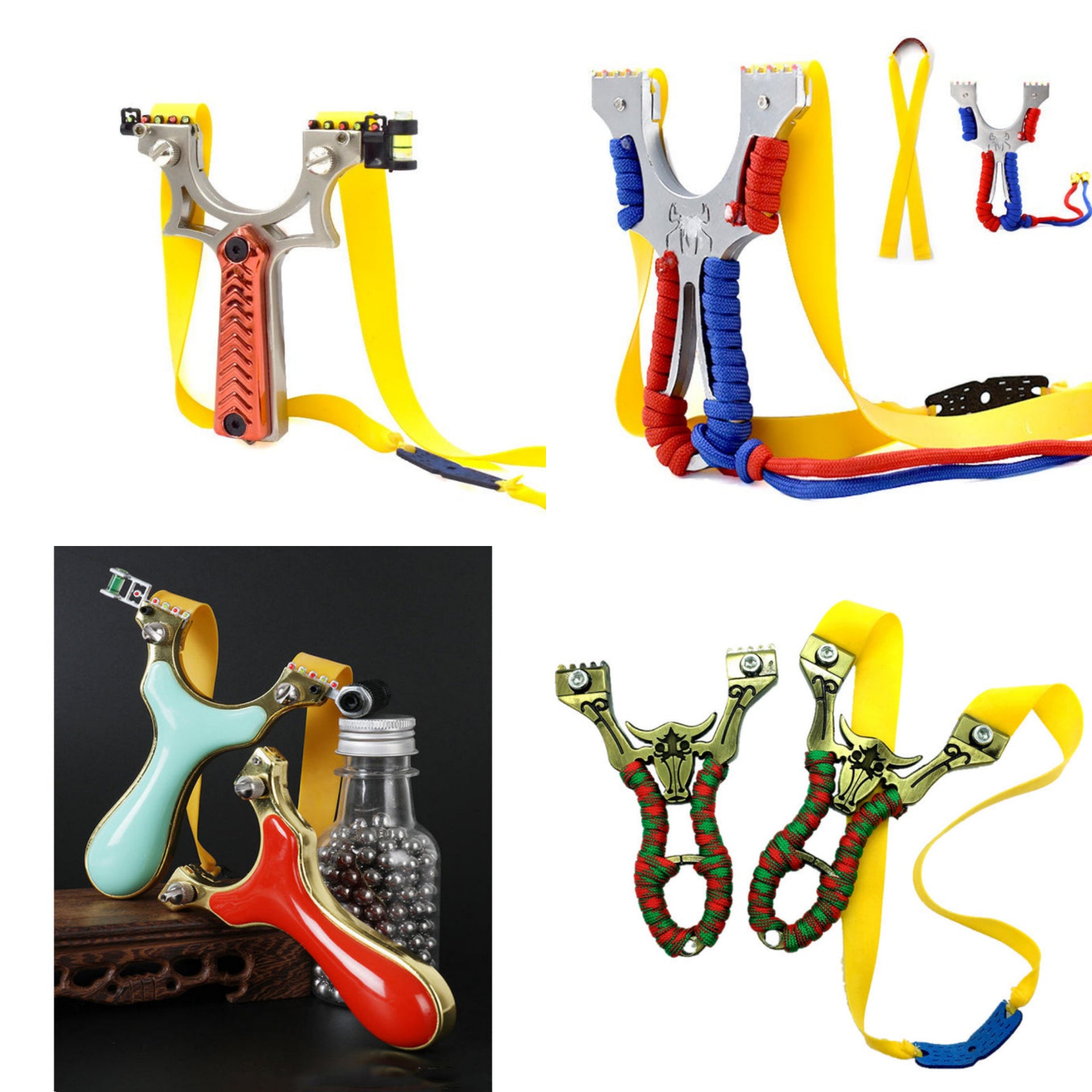
Metal frames
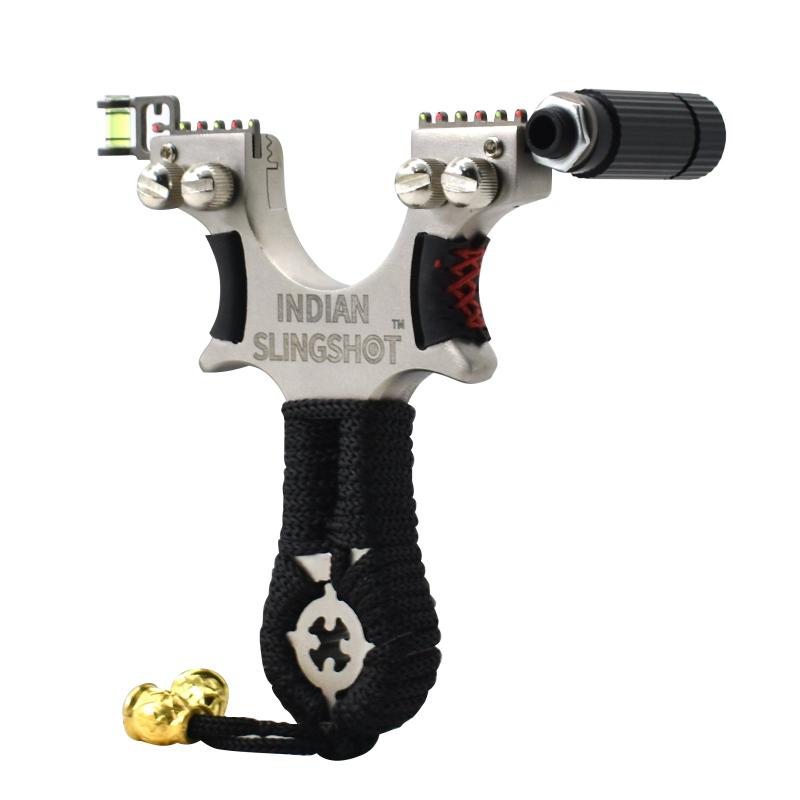
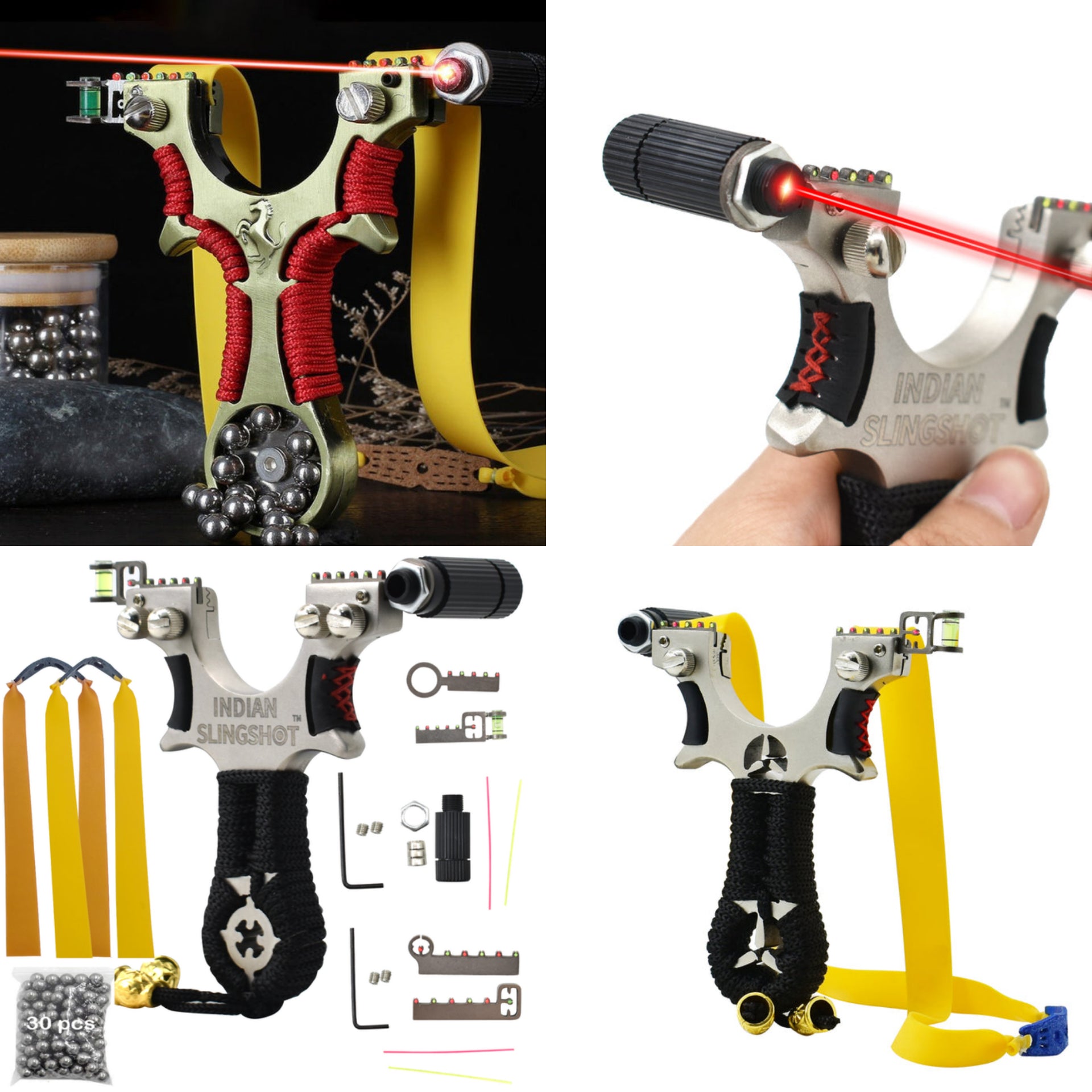
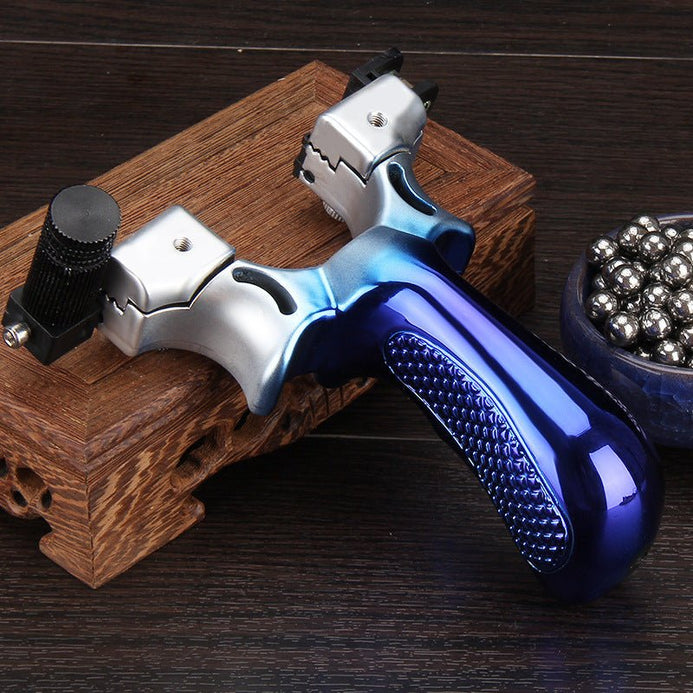
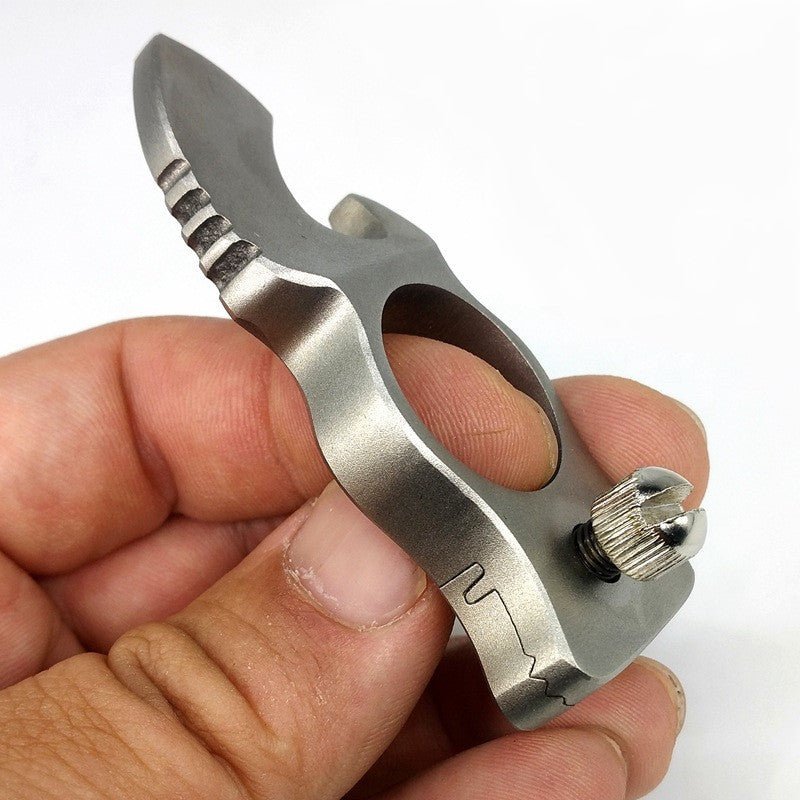
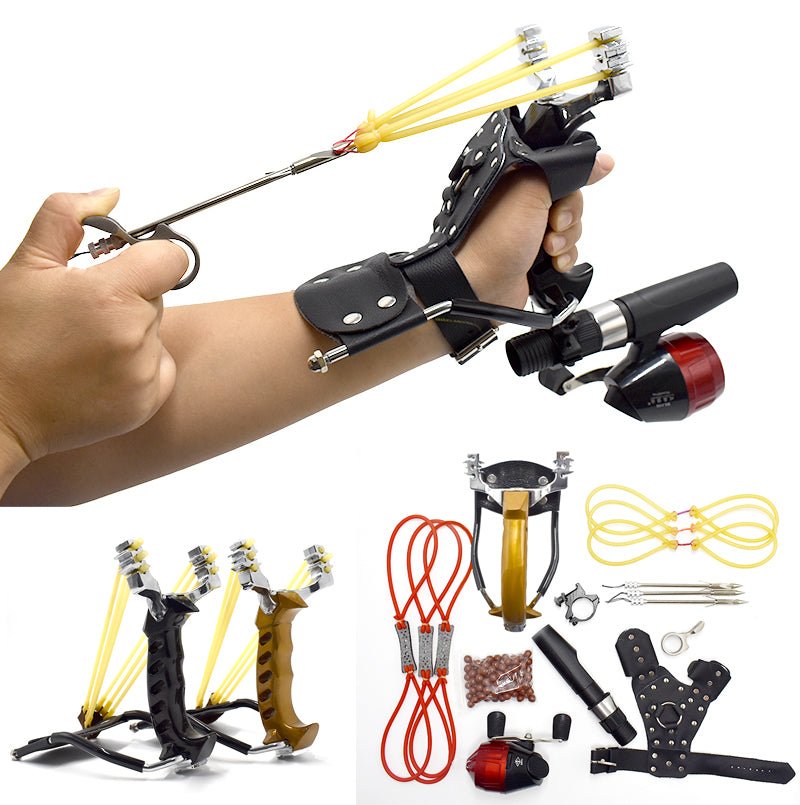
Metal frames are available in materials such as stainless steel, aluminium alloy, zinc alloy, and titanium alloy.
Different materials have different characteristics, including weight, finish, construction, and maintenance requirements.
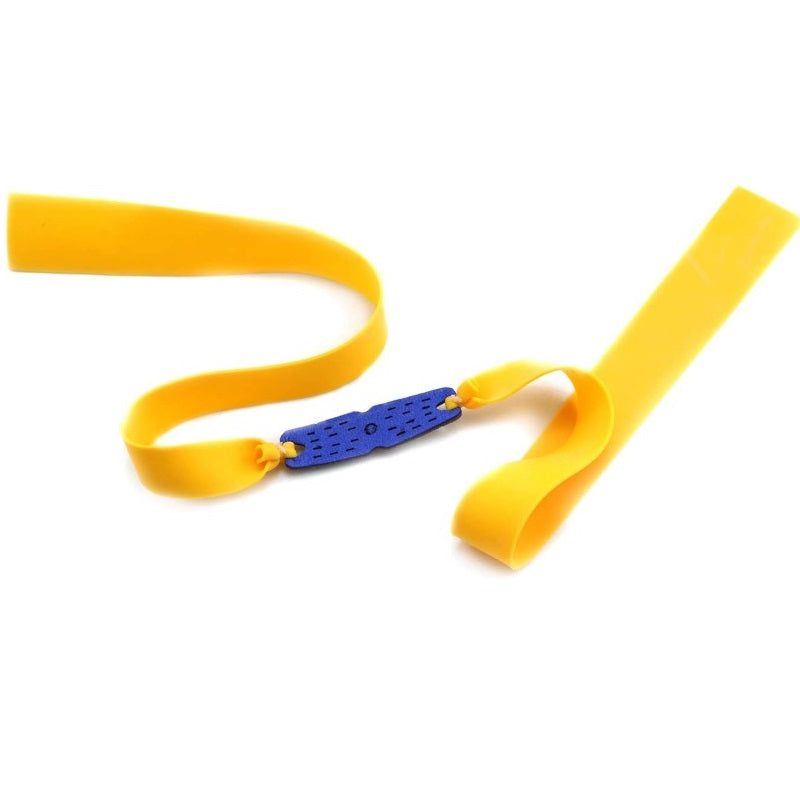
Rubber bands
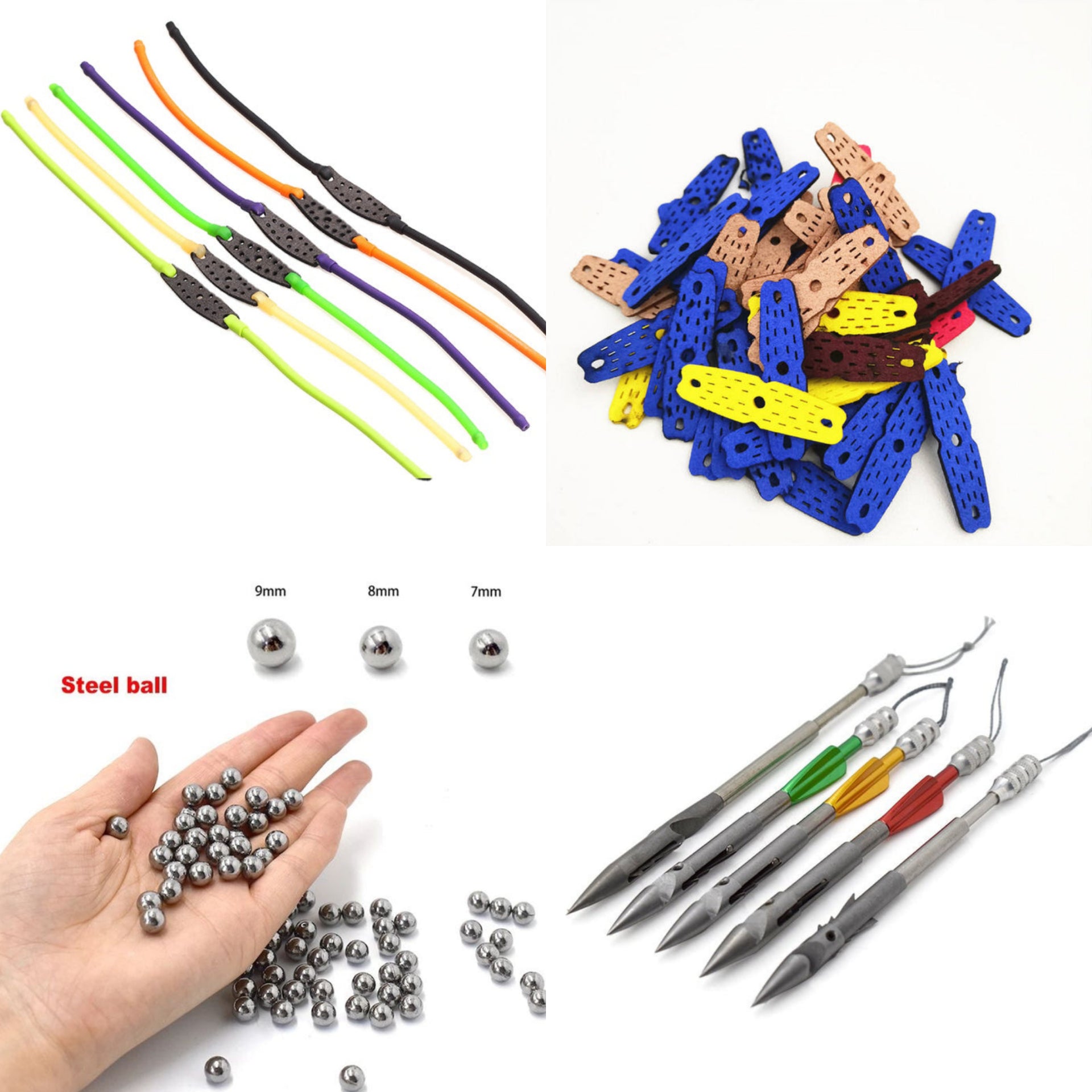
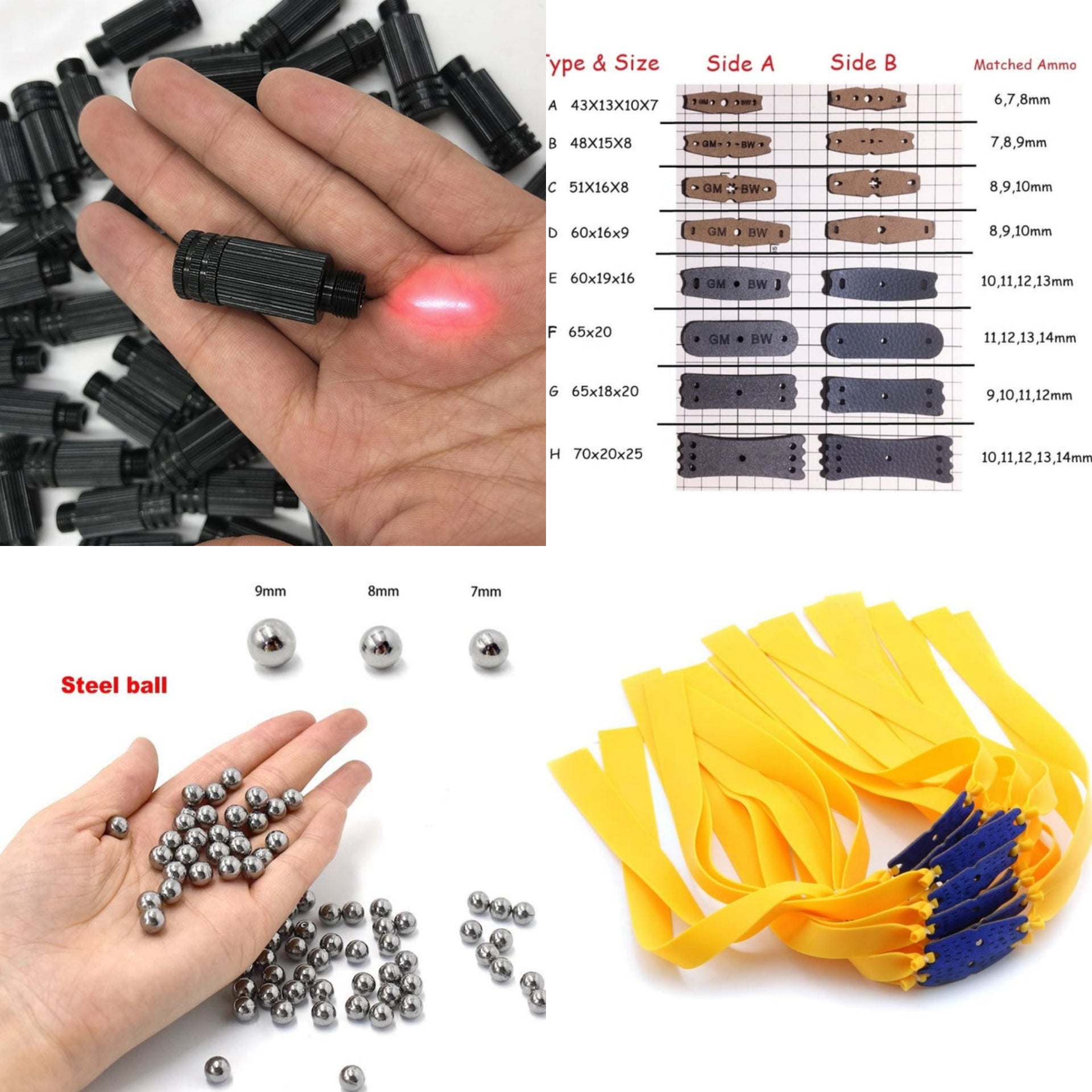
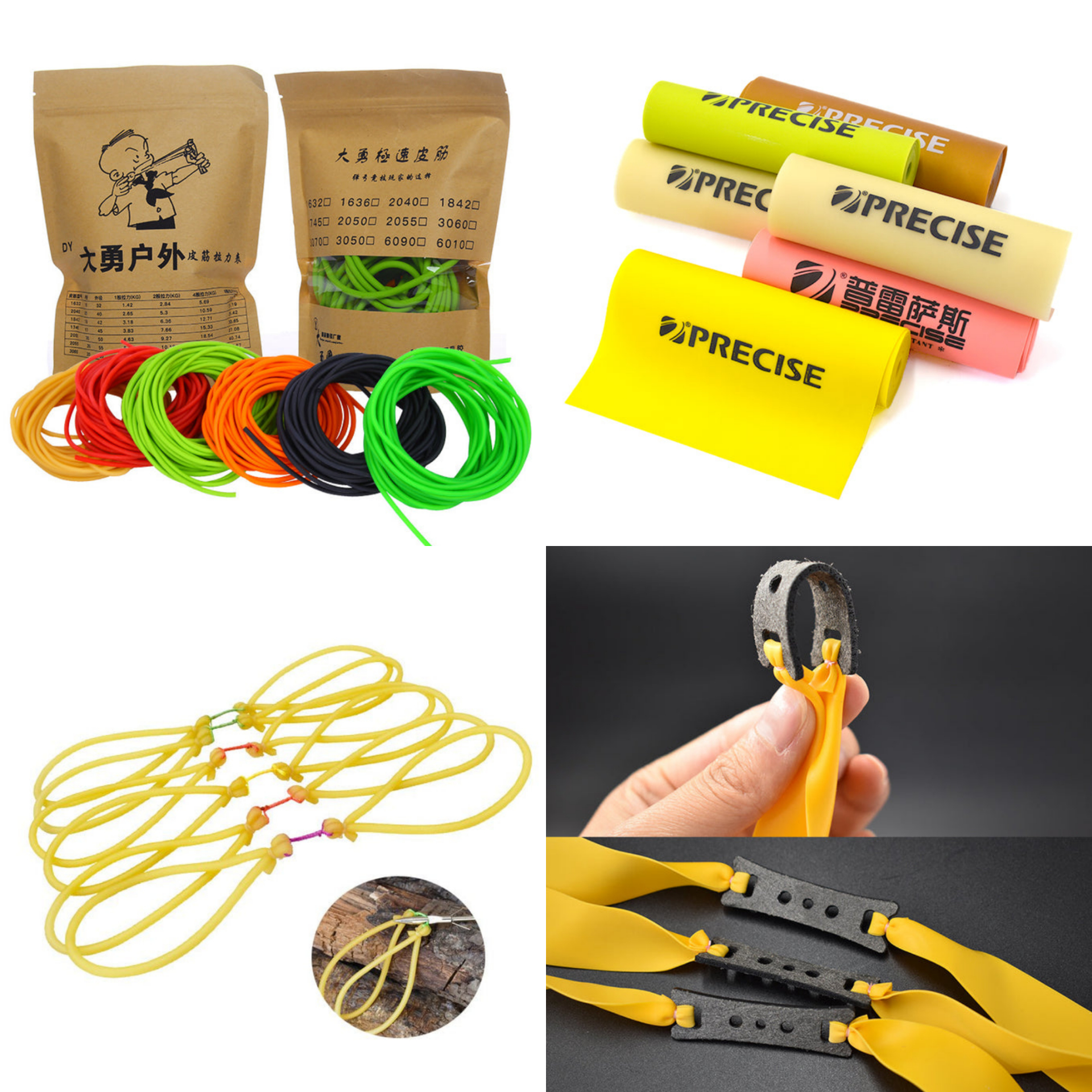
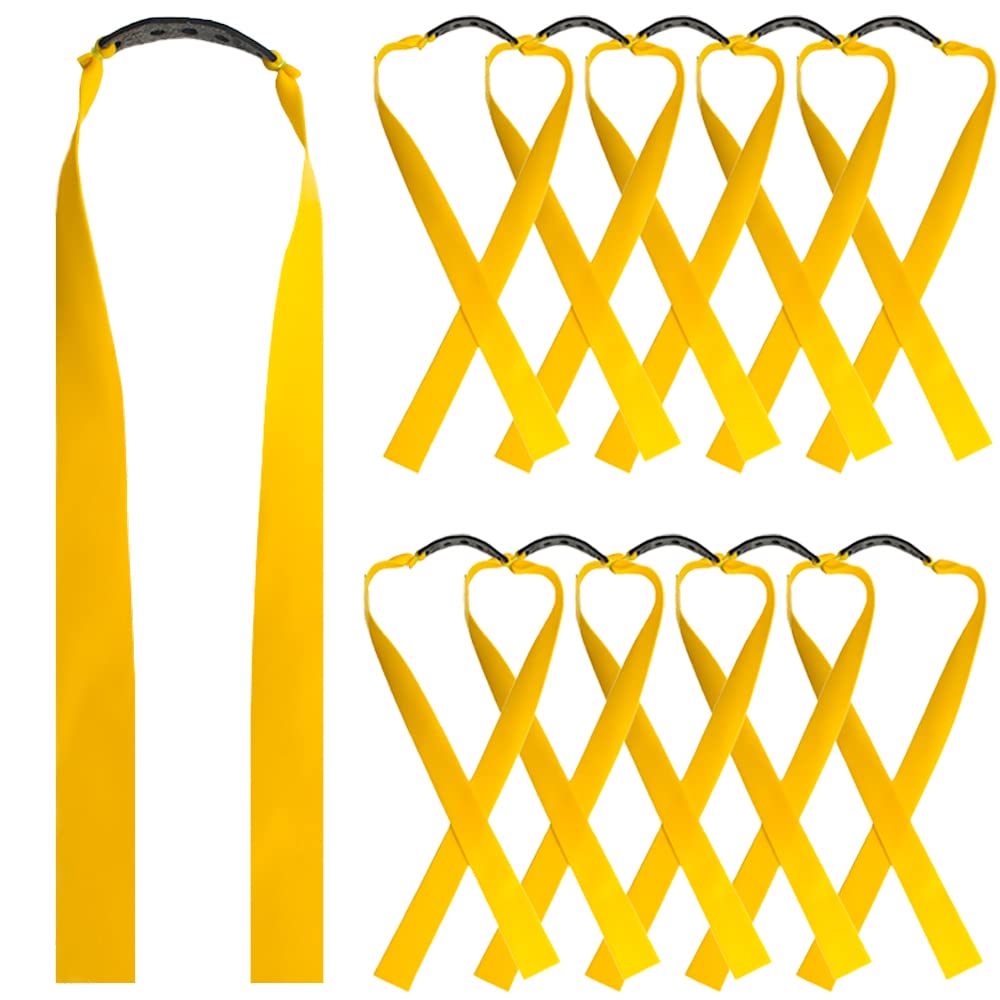
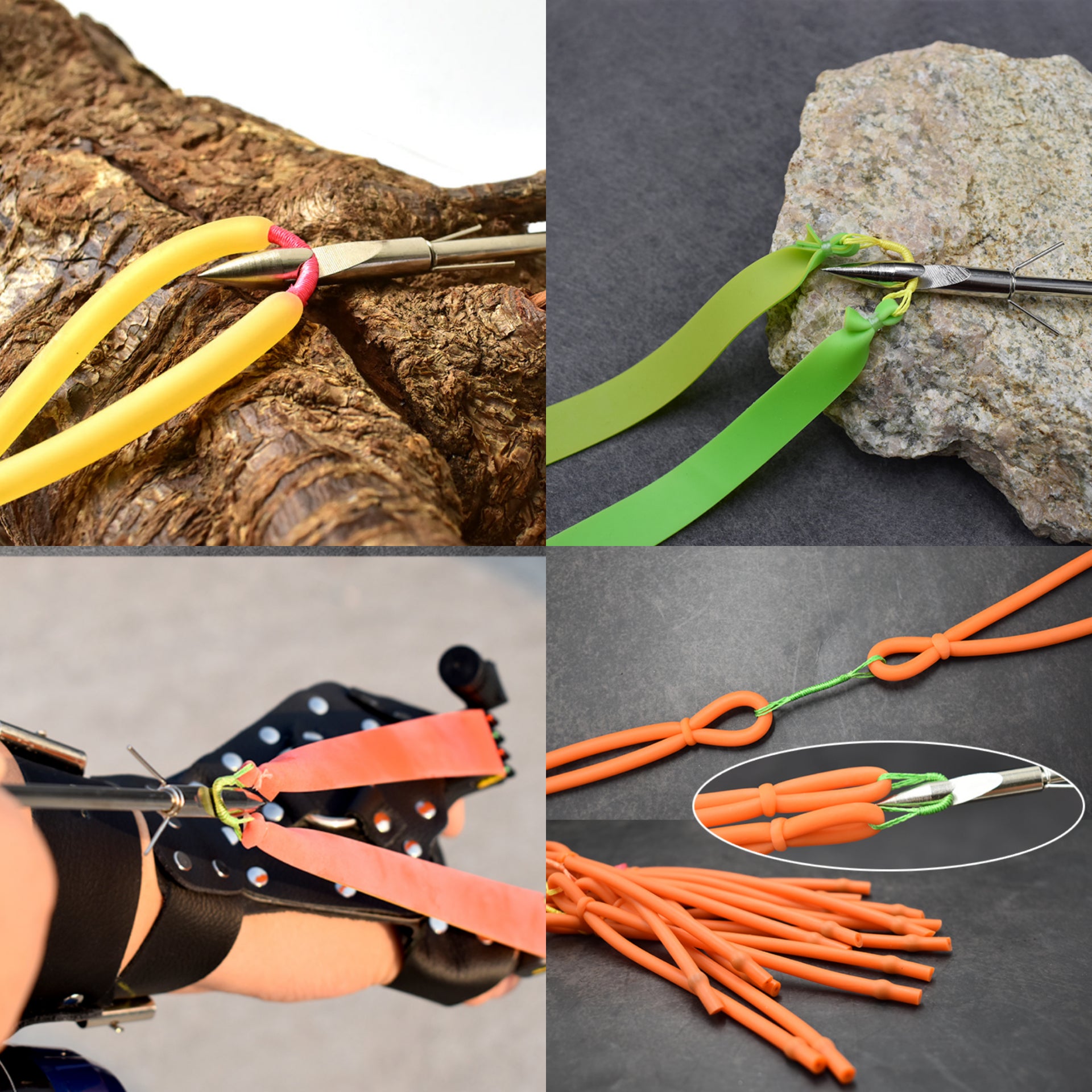
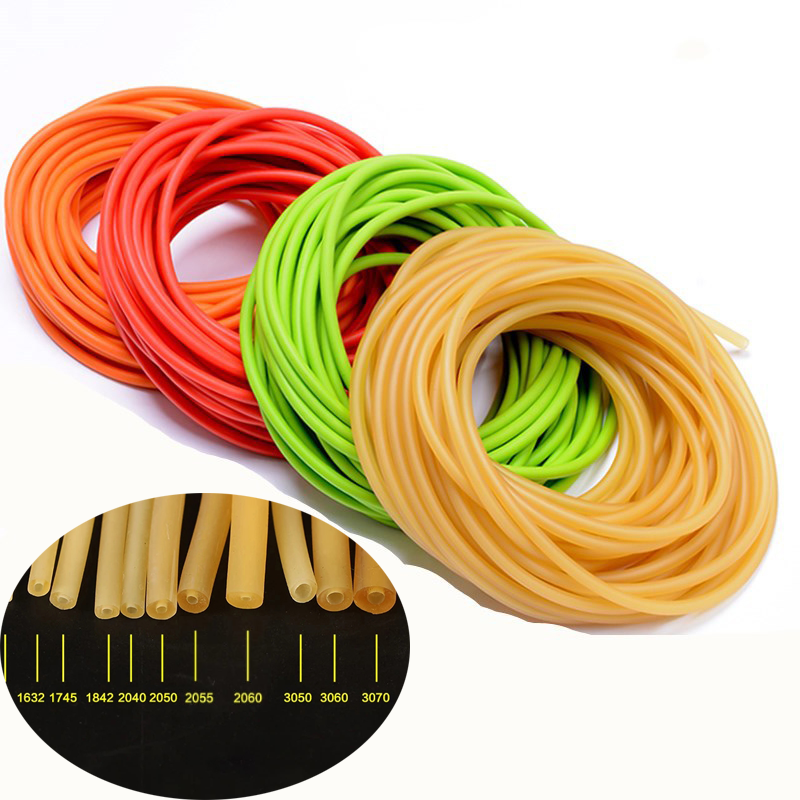
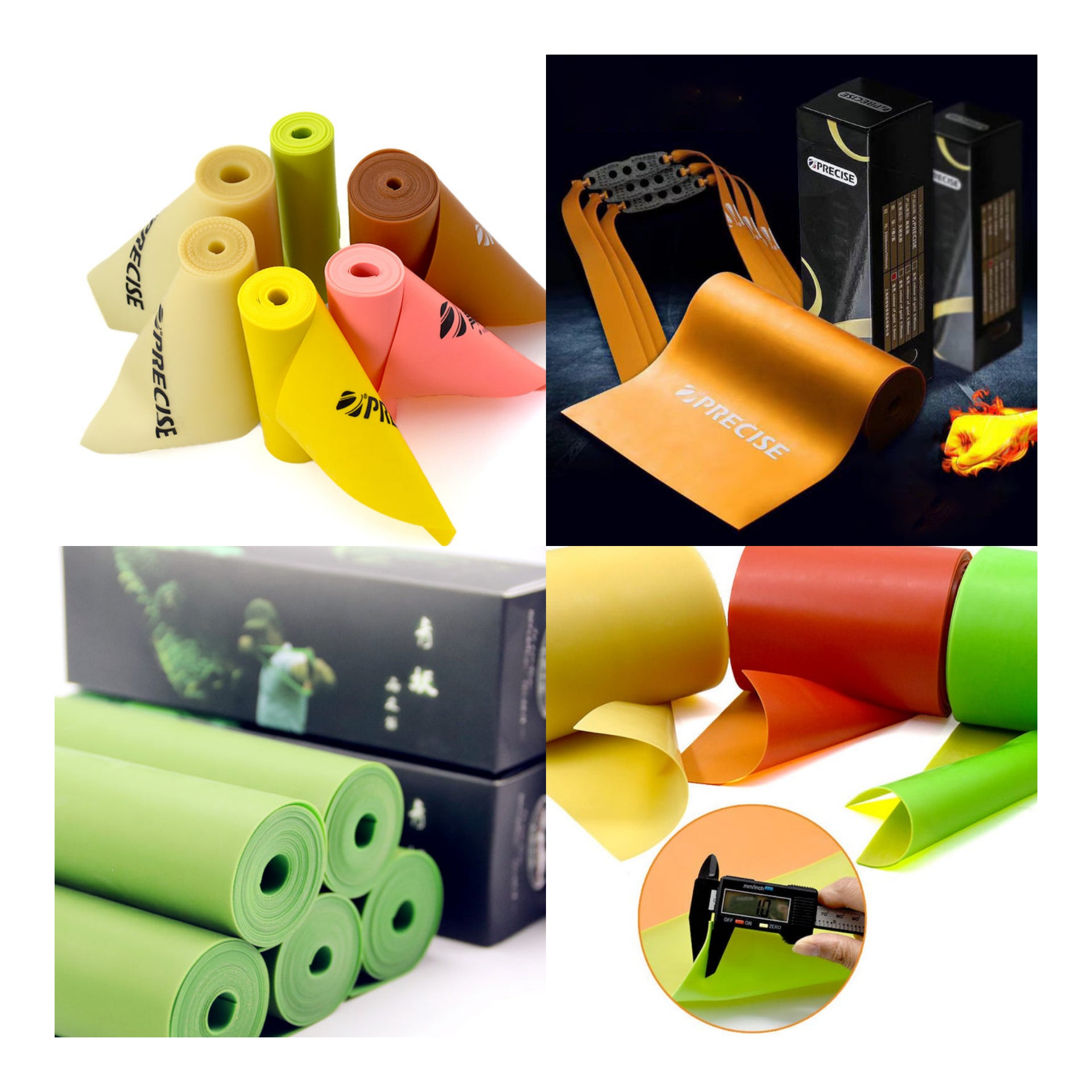
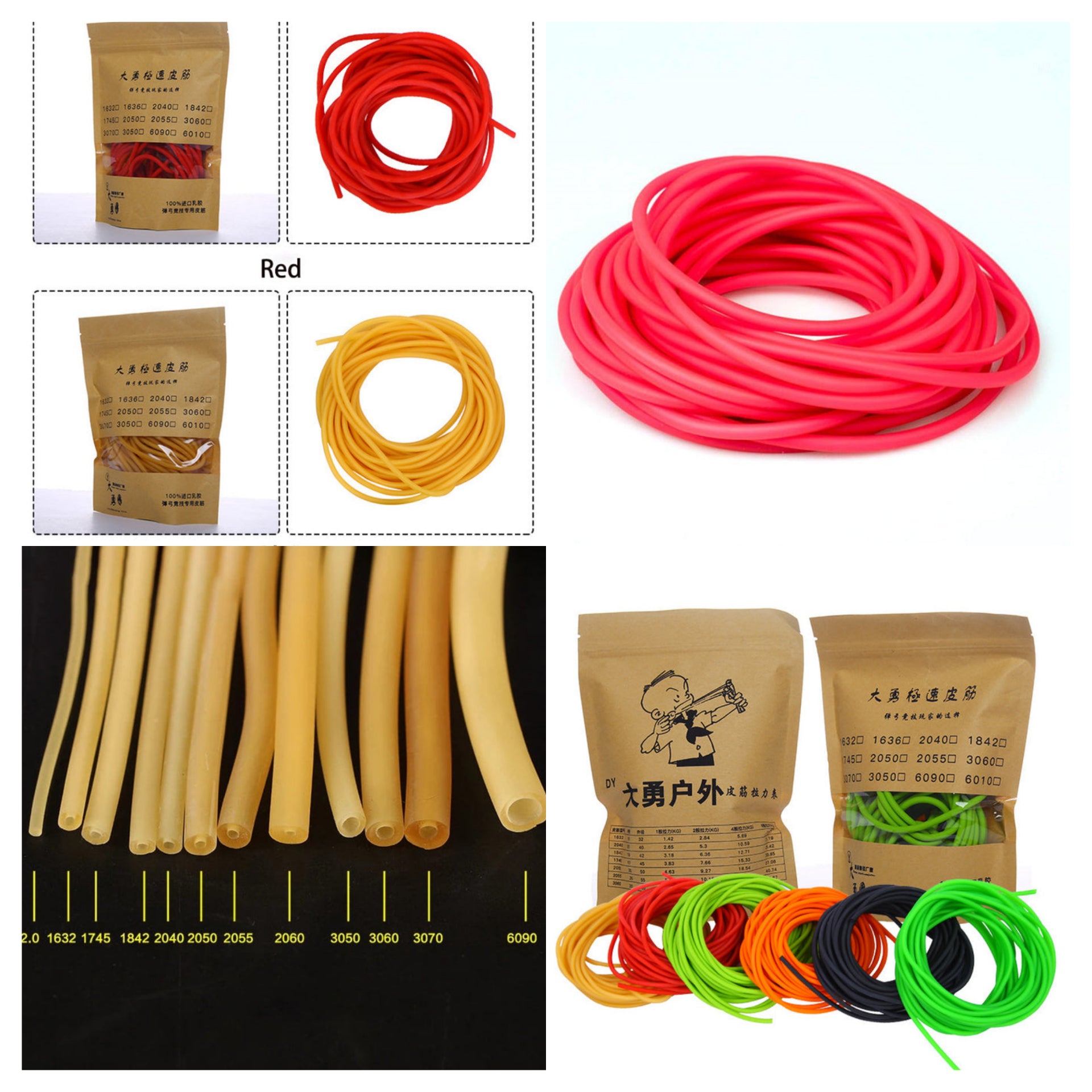
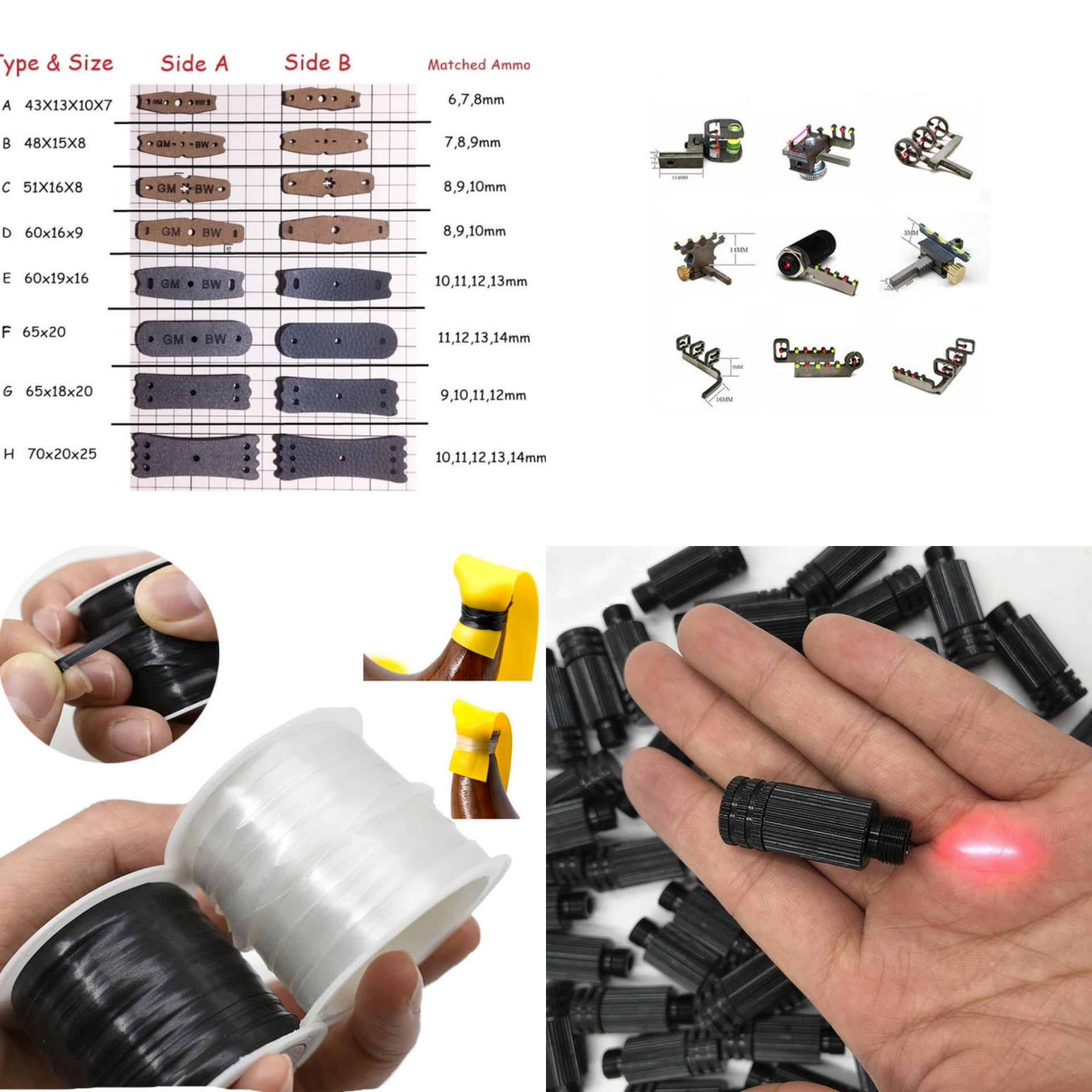
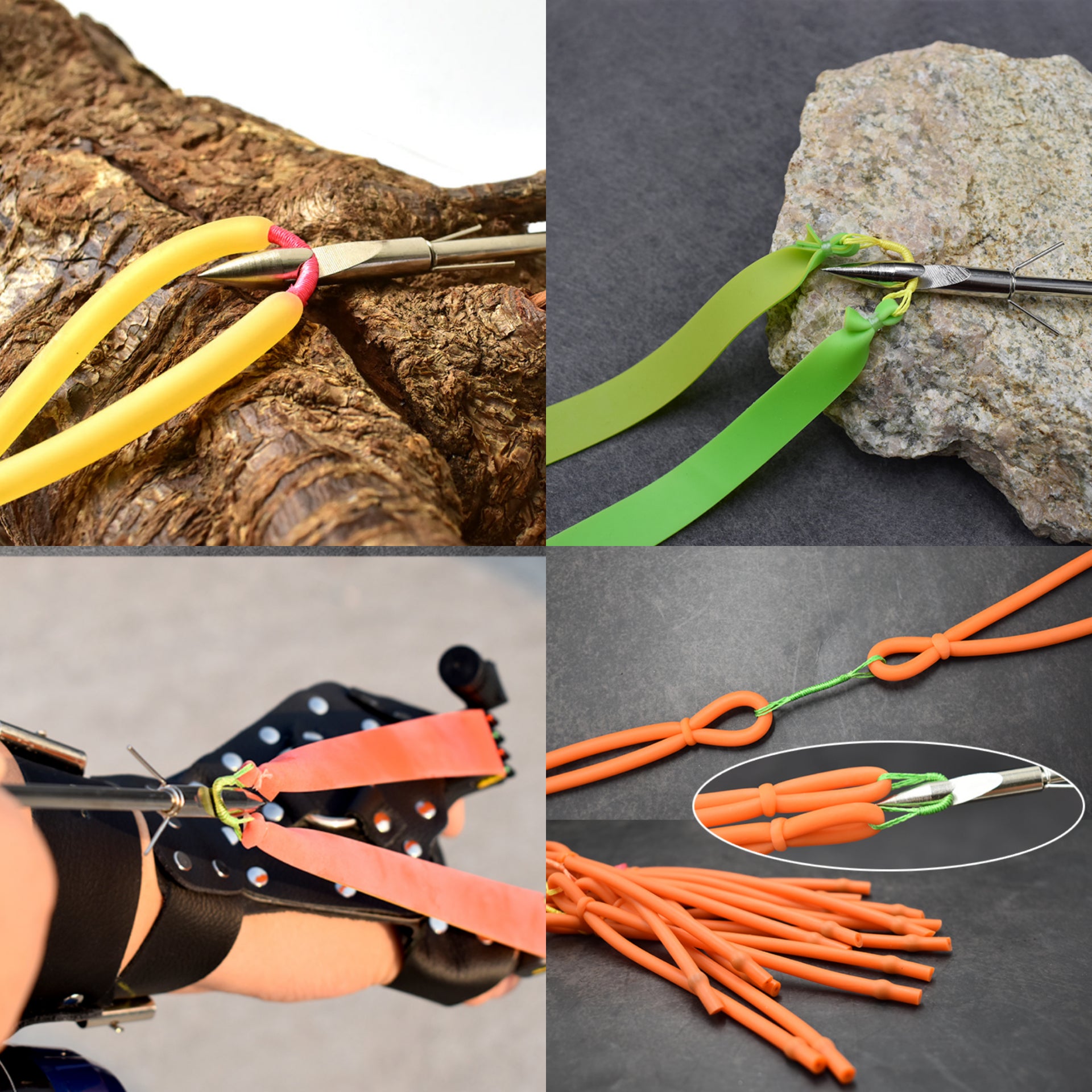
Rubber bands are an important equipment component. Different products are available in flat and tubular styles, with variations in length, thickness, and material.
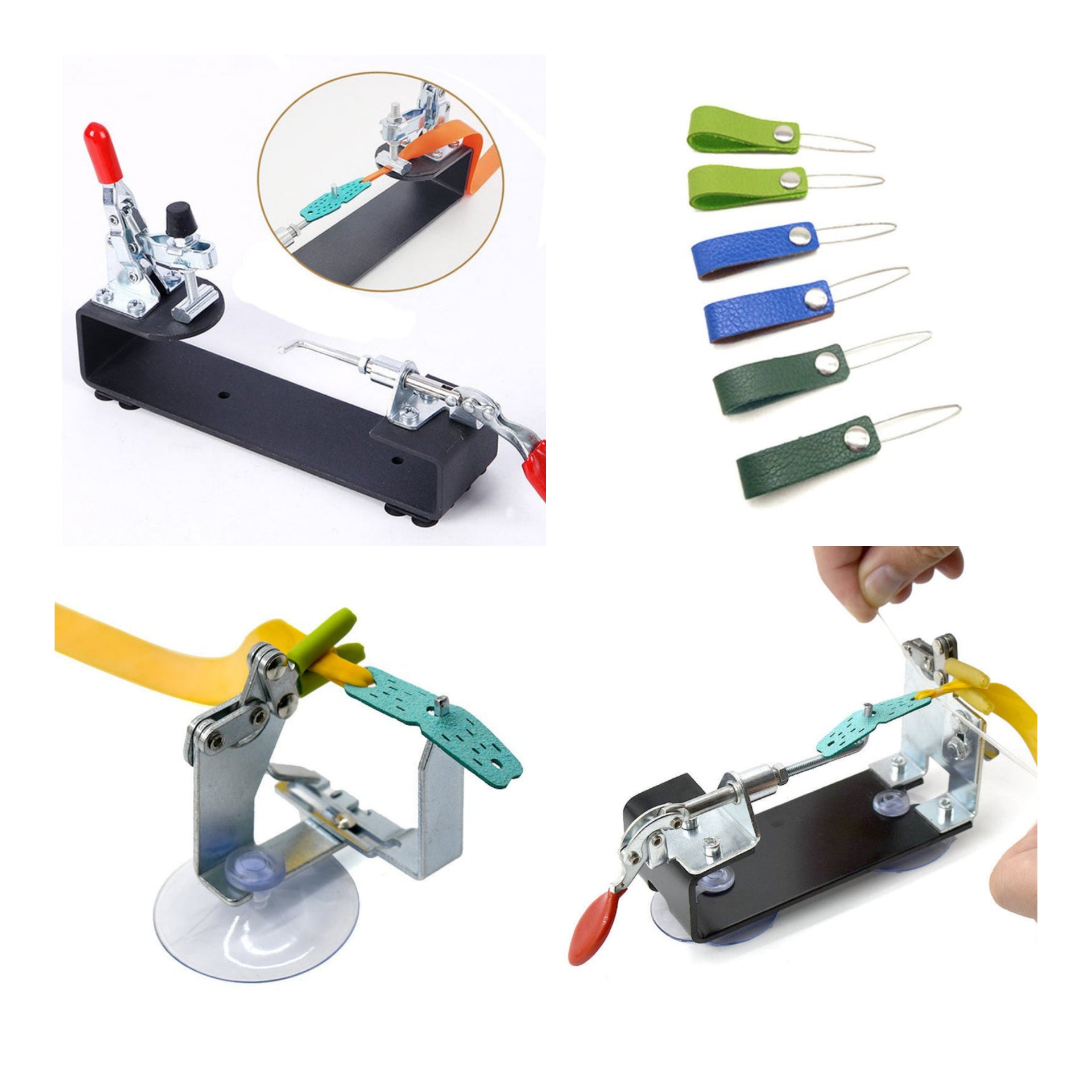
Always select compatible replacement components and follow the manufacturer's safety instructions and the competition's equipment rules.
Accessories
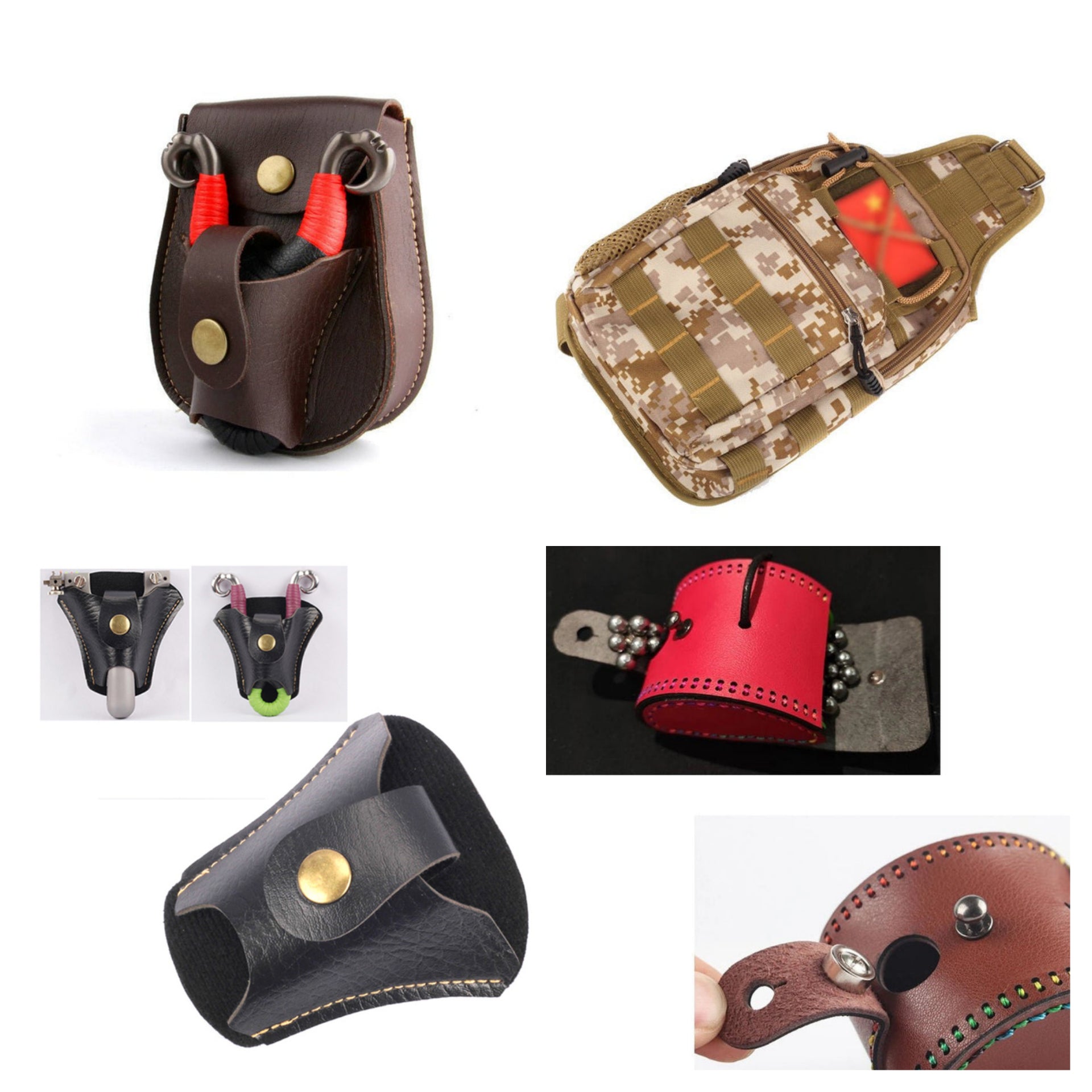
Depending on the event, participants may also need protective eyewear, equipment cases, approved accessories, and other safety items.
6. What Makes a Precision Competition Different?
A precision-focused event usually places greater emphasis on consistent scoring and clearly defined competition procedures.
Some important features include:
Standardised targets: Organisers specify the target design and arrangement.
Scoring zones: Targets may contain different scoring areas, with points assigned according to the event rules.
Competition distances: The organiser defines the distances and participant positions.
Consistent procedures: Participants follow the same published rules and event instructions.
Performance records: Scores can be recorded and compared according to the competition's scoring system.
These features help create a more organised competition environment.
7. Which Competition Style Is Better for Beginners?
There is no single answer because both styles can appeal to different types of participants.
Traditional recreational events may interest people who enjoy classic equipment, community activities, and informal formats.
Precision competitions may appeal to people interested in structured sporting events, standardised targets, and measurable scoring.
Beginners should consider:
-
The competition format available locally
-
Published equipment requirements
-
Participant age requirements
-
Safety rules and supervision
-
Organiser experience and event structure
Start by learning the rules and safety requirements before participating in any organised event.
8. Safety Rules for Slingshot Competitions
Safety should always be a priority, regardless of the competition format.
Important precautions include:
-
Participate only in designated and controlled event areas.
-
Follow the organiser's instructions at all times.
-
Use suitable protective eyewear.
-
Ensure that an appropriate backstop and safety zone are provided.
-
Never direct equipment towards people, animals, roads, or public areas.
-
Keep spectators behind designated safety boundaries.
-
Inspect equipment regularly for wear, damage, or loose components.
-
Follow age restrictions and adult-supervision requirements.
Organisers should establish clear safety procedures before allowing participants to take part.
9. How to Choose Equipment for a Competition
Before purchasing equipment for an event, consider the following:
-
Competition rules: Confirm which equipment types and specifications are permitted.
-
Material: Compare available frame materials and construction.
-
Compatibility: Check that replacement components are compatible with the frame.
-
Condition: Inspect the frame and accessories for visible damage.
-
Safety: Follow manufacturer instructions and event safety requirements.
-
Budget: Compare products based on materials, construction, and included accessories.
Do not assume that every recreational product is suitable for an organised competition. Always check the event's equipment policy.
10. Explore Slingshot Equipment at INDIAN SLINGSHOT®
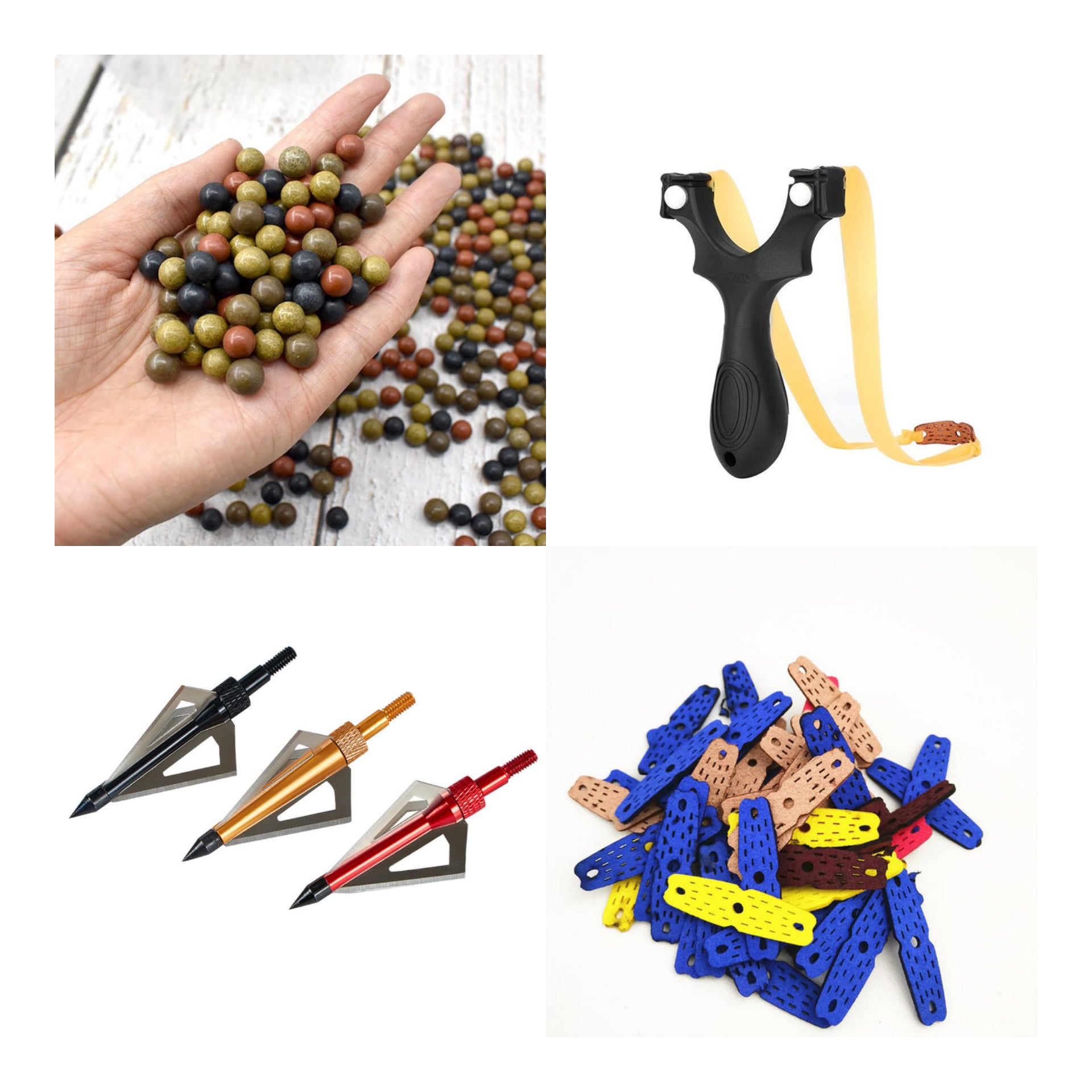
INDIAN SLINGSHOT® offers a range of recreational sling tool products and accessories, including different frame materials, replacement rubber bands, and related components.
Whether you are interested in traditional-style designs or exploring equipment categories used by enthusiasts, understanding product specifications can help you make an informed choice.
Explore our collections:
Check individual product specifications and applicable competition requirements before selecting equipment.
Conclusion
Traditional and precision slingshot competitions offer different approaches to recreational sporting activities.
Traditional-style events often highlight classic designs and community participation, while precision competitions focus on standardised targets, structured rules, and measured scoring.
Whichever format interests you, prioritise safety, understand the event requirements, and choose compatible equipment.
Explore the world of slingshot sports responsibly with INDIAN SLINGSHOT®.
Frequently Asked Questions
What is the difference between traditional and precision slingshot competitions?
Traditional-style competitions often focus on recreational formats and classic equipment, while precision competitions generally use standardised targets, defined scoring zones, and structured event rules.
Are precision slingshot competitions more difficult?
They can require greater consistency and familiarity with formal scoring procedures. Difficulty depends on the event rules and participant experience.
Can beginners participate in slingshot competitions?
Yes, if the event allows beginners and participants meet its age, equipment, and safety requirements.
What equipment is required for a slingshot competition?
Requirements vary. Organisers may specify permitted frames, compatible accessories, protective eyewear, and other safety equipment.
Do all slingshot competitions use the same scoring system?
No. Scoring systems, target designs, distances, and event procedures vary between organisers.
Are wooden and metal frames both used in competitions?
Different events may permit different frame materials. Always check the competition's published equipment rules before participating.